Peptide Therapy NYC

Medically reviewed by Rashmi Gulati, MD — Last updated: August 6, 2026

Peptide therapy is reshaping how we approach healing, recovery, and vitality. Our physician-guided protocols are tailored to your specific health goals, offered under Dr. Rashmi Gulati, MD at Patients Medical.

Peptide Therapy NYC

AI Overview

Peptide therapy at Patients Medical (1148 Fifth Avenue, New York) is a physician-led program directed by Dr. Rashmi Gulati, MD. Peptides are short chains of amino acids that act as precise cell-signaling molecules. After comprehensive lab testing through Labcorp or Quest, Dr. Gulati designs individualized peptide protocols — prescribed through licensed U.S. compounding pharmacies — to support energy, metabolism, thyroid and hormone balance, gut healing, immune function, tissue repair, sleep, and healthy aging. Every protocol is lab-guided, monitored, and adjusted over time. Initial one-hour evaluation: $600; peptide costs are additional and vary with the type and amount prescribed. Call (212) 794-8800.

Peptide Therapy in NYC: Physician-Led, Lab-Guided Protocols

If your energy, recovery, sleep, weight, or mental clarity has changed in ways that standard treatment has not explained or resolved, peptide therapy may be the missing layer of your care. At Patients Medical, one of New York’s longest-established integrative medical centers, peptide protocols are personally designed and supervised by Dr. Rashmi Gulati, MD — never sold as a one-size-fits-all wellness add-on. Our patients come from every corner of the New York metro area — Manhattan, Brooklyn, Queens, the Bronx, Staten Island, Long Island, Westchester, northern New Jersey, and Connecticut — to our Fifth Avenue office on the Upper East Side.

“Peptides let us speak the body’s own signaling language. Instead of overriding a system, we restore the signals it has stopped sending and because every protocol here begins with comprehensive lab work, we know exactly which signals need support. That precision is what separates clinical peptide therapy from the unregulated products people find online.” — Dr. Rashmi Gulati, MD, Medical Director

What Is Peptide Therapy?

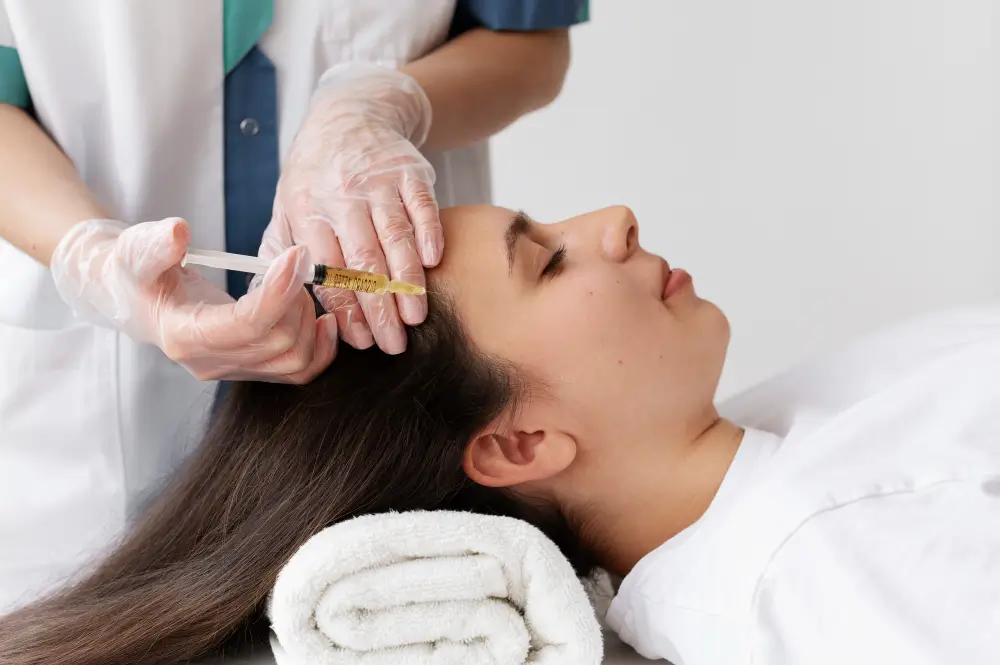
Peptide therapy is the medically supervised use of short amino-acid chains that signal the body to repair tissue, balance hormones, regulate metabolism, and restore functions that decline with age. Peptides are not drugs in the conventional sense, and they are not hormones. They are messengers — the same class of molecules your body already uses thousands of times a second to tell cells when to heal, when to burn fuel, when to sleep deeply, and when to calm inflammation.

Your body naturally produces more than 7,000 different peptides. Production declines with age, chronic stress, illness, and environmental exposures, which is one reason recovery slows, sleep lightens, body composition shifts, and energy fades even when habits have not changed. Clinical peptide therapy restores specific signals using precisely selected peptide compounds, prescribed by a physician and prepared by licensed U.S. compounding pharmacies or dispensed as FDA-approved peptide medications where those exist.

The distinction matters. Peptides sold online as “research chemicals” are not manufactured for human use, are frequently contaminated or mislabeled, and come with no medical oversight. At Patients Medical, every peptide is prescribed after laboratory evaluation, sourced through regulated pharmacies, and monitored throughout your protocol.

How Peptides Work in the Body

Peptides work by binding to specific receptors on the surface of your cells, the way a key fits a lock. When the right peptide reaches the right receptor, it triggers a targeted downstream response: a fibroblast begins producing collagen, the pituitary releases a pulse of growth hormone, a mitochondrion steps up energy output, or an overactive immune cell stands down.

Because each peptide is specific to its receptor, peptide therapy can influence one pathway without broadly disrupting others — a meaningful contrast with many conventional medications. Several of the peptides we use act on the body’s master signaling systems, including the hypothalamic-pituitary axes that govern your thyroid, adrenal, and reproductive hormones. That is why peptide therapy integrates so naturally with the hormone, thyroid, and metabolic care Patients Medical has provided New Yorkers for five decades.

How Peptides Work

Peptides We Use at Patients Medical

Dr. Gulati draws from an extensive clinical toolkit. The peptides below are among those most frequently used in our Manhattan practice; availability of individual compounds depends on current FDA compounding rules and your clinical picture.

BPC-157

Angiogenesis, fibroblast activation, and gut-lining repair; used for gut healing, joint and tendon recovery, and inflammation. Read our full guide: BPC-157: gut healing and tissue repair 

TB-500 (Thymosin Beta-4)

Cell migration and soft-tissue repair; often paired with BPC-157 for recovery.

CJC-1295 and Ipamorelin

Stimulate your body’s own growth hormone release for body composition, recovery, and deeper sleep. See CJC-1295 and Ipamorelin explained 

Sermorelin

A gentler growth-hormone-releasing option for healthy aging.

Tesamorelin

An FDA-approved GHRH analog studied for visceral (abdominal) fat reduction and metabolic health.

MOTS-c

a mitochondrial peptide that supports cellular energy and metabolic efficiency.

NAD+

Co-administered in many protocols for energy, cognition, and cellular repair.

Thymosin Alpha-1

Immune modulation for chronic infection and immune dysfunction. See immune peptide therapy

DSIP

Delta sleep-inducing peptide for sleep architecture and stress recovery. Note: in July 2026, an FDA advisory committee reviewed DSIP for inclusion on the compounding substances list and did not recommend it, unlike several other peptides discussed at the same meeting. We are monitoring FDA’s position and will advise you on current availability and appropriateness at consultation.

Semax and Selank

Neuropeptides for focus, mental clarity, and stress resilience.

PT-141 (bremelanotide)

FDA-approved pathway for sexual wellness in women; used clinically for men and women.

KPV

An anti-inflammatory fragment used for gut and immune inflammation.

GHK-Cu

Copper peptide for skin, hair, and collagen support.

Epitalon

A pineal peptide used in longevity and circadian protocols. See anti-aging peptides

Conditions and Goals Peptide Therapy Supports

Low energy and chronic fatigue

Peptides that support mitochondrial function — MOTS-c, NAD+ — may help restore cellular energy production when fatigue persists despite adequate sleep and healthy habits. Many patients notice steadier daytime energy as these pathways strengthen over several weeks.

Metabolic imbalance and weight changes

Certain peptides help regulate appetite signaling, insulin sensitivity, and body composition, and can complement structured weight-management care — including for patients on GLP-1 medications who want to preserve muscle. Full guide: peptide injections for weight loss and metabolic health

Thyroid and hormone imbalance

Peptides can support the thyroid, adrenal, and reproductive hormone axes alongside — never instead of — appropriate hormone treatment. This integration is a signature of our practice; see the section below and our guides to peptides for thyroid health, peptides for women’s hormone balance  and peptides for men’s hormone optimization 

Gut disorders and slow healing

BPC-157 and KPV are used to support gut-lining repair and calm intestinal inflammation in patients working through leaky gut, gastritis, and related digestive conditions under integrative care.

Cognitive fog and mental clarity

Neuropeptides such as Semax and Selank, alongside NAD+, support focus, processing speed, and stress resilience — a frequent request from New York professionals in high-demand roles.

Poor sleep and slow recovery

DSIP, Epitalon, and evening-dosed growth hormone peptides support deeper, more restorative sleep — often the first improvement patients report.

Immune dysfunction and chronic illness

Thymosin Alpha-1 and related immune peptides modulate immune function for patients with chronic infections, post-viral syndromes, and autoimmune tendencies. See immune peptides for chronic illness

Aging, skin, and longevity

GHK-Cu, Epitalon, and NAD+ anchor longevity protocols aimed at cellular repair, collagen, and circadian health. See the longevity stack

Peptides and Hormone Health: The Patients Medical Difference

Most peptide clinics treat peptides as a standalone menu. We do not. Your thyroid, adrenal, and reproductive hormones operate as one interconnected signaling network, and peptides act on that same network — so the two must be managed together.

Before any hormone-related peptide protocol, Dr. Gulati evaluates the complete axis: TSH, free T3 and free T4, reverse T3, thyroid antibodies, a cortisol rhythm assessment, DHEA-S, and sex hormones as indicated. Where hormone deficiency is confirmed, bioidentical hormone replacement therapy (BH.nyc) provides the foundation; peptides then address what replacement alone often cannot — sleep depth, recovery, body composition, and stress resilience. Where hormones are borderline rather than deficient, peptide signaling support may help avoid or delay replacement altogether. This sequenced, lab-first approach is detailed in our guides to thyroid, women’s, men’s and adrenal

Who Is an Ideal Candidate?

Ideal candidates are adults who feel their body is no longer performing the way it used to despite consistent healthy habits: energy that fades by afternoon, workouts that take days to recover from, sleep that no longer restores, weight that accumulates at the midsection, or thinking that feels one step slower. Others come to us proactively — they want a physician-guided, measurable strategy for aging well rather than waiting for symptoms to progress.

Peptide therapy is not for everyone. Active cancer, pregnancy and breastfeeding, and significant kidney disease require case-by-case evaluation and may be contraindications. Dr. Gulati will tell you plainly if peptides are not appropriate for you — and what is.

Laboratory testing

What to Expect: The Patients Medical Process

Confirm the process description matches the current operating model: prescriptions are patient-specific only (no in-office stock), and the pharmacy bills the patient directly for the medication while the practice bills separately for administration. Update any wording that implies peptides are dispensed from on-site stock or bundled into a single price.

Step 1 — Comprehensive evaluation

A one-hour initial consultation with Dr. Gulati ($600) covering your history, symptoms, goals, and examination. New patients can start with a free 10-minute introductory call.

Comprehensive panels through Labcorp or Quest: metabolic, hormonal, thyroid, and inflammatory markers, tailored to your presentation.

Peptide selection, dosing, and delivery route (most commonly small subcutaneous injections you administer at home; oral and nasal options exist for select peptides), prescribed through licensed U.S. compounding pharmacies. Peptide costs are additional to the consultation and vary with the type and amount prescribed; you receive exact pricing before starting.

Scheduled follow-up visits and repeat labs to track response and adjust dosing. Follow-up visit fees depend on visit length and the treatment provided.

Safety, Quality, and FDA Compliance

Regulatory update (July 2026): On July 23–24, 2026, an FDA advisory committee (the Pharmacy Compounding Advisory Committee) voted to recommend that BPC-157, KPV, TB-500, MOTS-c, Semax, and Epitalon be added to the FDA’s list of substances that compounding pharmacies may use. This is a non-binding recommendation, not a final rule — FDA rulemaking on this question is ongoing and can take a year or more, and the outcome could still change. A related peptide, Emideltide (DSIP), was reviewed at the same meeting and was not recommended by the committee. We track FDA’s compounding rules on an ongoing basis and adjust which peptides we prescribe, and how we source them, as the regulatory status of each substance changes. Dr. Gulati will discuss the current status of any specific peptide with you during your consultation.

Honest answers matter more in peptide medicine than almost anywhere else in wellness care, because the market is split in two. On one side are FDA-approved peptide drugs (such as tesamorelin and bremelanotide) and peptides legally prepared for individual patients by licensed compounding pharmacies under a physician’s prescription. On the other side is a gray market of “research use only” products sold online with no manufacturing standards, no purity verification, and no medical oversight — products the American Medical Association has specifically warned patients about.

At Patients Medical, every peptide is physician-prescribed, sourced exclusively through regulated U.S. pharmacies, and monitored with laboratory follow-up. Legitimate therapy is generally well-tolerated; the most common side effects are mild injection-site irritation and occasional transient headache or flushing, which monitoring and dose adjustment manage. Some peptides are prescribed off-label or as compounded preparations under a patient-specific prescription. FDA’s rules on which peptides compounding pharmacies may use are actively changing in 2026 (see regulatory update above), and a peptide’s availability can change with little notice. Dr. Gulati will explain the current regulatory status, sourcing, and any limitations for anything she recommends, at the time of your visit. For the complete picture, read Are peptides safe? FDA rules and choosing a doctor

Why Choose Patients Medical for Peptide Therapy in New York

Frequently Asked Questions

No. Hormones replace or supplement what a gland produces; peptides are signaling molecules that prompt your body’s own systems to respond. The two are often combined — hormones as the foundation, peptides as the precision layer — but they are distinct tools.

 Many patients notice sleep and energy improvements within three to six weeks. Body-composition, metabolic, and cognitive changes typically build over two to three months as pathways respond. Your follow-up labs track objective change alongside how you feel.

Under physician supervision, with peptides sourced from licensed pharmacies and monitored with lab work, peptide therapy is generally safe and well-tolerated. The significant risks in this field belong to unregulated online products, which we never use.

Some are FDA-approved medications; many others are legally prescribed as compounded preparations for individual patients. A physician-supervised program uses only these regulated pathways. “Research use only” products sold online are neither, and are not for human use.

Peptides can support thyroid-axis signaling, autoimmune modulation, and the fatigue that accompanies thyroid conditions but they do not replace thyroid medication when it is needed. See peptides for thyroid health

Certain peptides support appetite regulation, insulin sensitivity, visceral-fat metabolism, and muscle preservation, and can complement GLP-1 medications and structured weight management. See peptide injections for weight loss

Subcutaneous injection with a very small insulin-style needle is the most effective route for most peptides, and nearly all patients find it far easier than expected. Oral and nasal options exist for select compounds.

Peptide therapy itself is generally self-pay. Portions of your evaluation and laboratory testing may be billable separately depending on your coverage; our staff will help you understand your options.

Cost has two parts, billed separately. The compounding pharmacy that fills your prescription bills you directly for the peptide itself — Patients Medical does not mark up or resell the medication. Patients Medical separately charges a flat administration fee, which covers the office visit, nursing time, and monitoring. You’ll receive two invoices: one from the pharmacy for the medication, one from our office for the visit/administration.

Yes — that integration is the core of our approach. Peptides frequently amplify the results of bioidentical hormone therapy, IV nutrient therapy, and functional medicine care.

Take the Next Step

Schedule your evaluation with Dr. Rashmi Gulati at Patients Medical, 1148 Fifth Avenue, Suite 1B, New York, NY 10128.

Call (212) 794-8800 or book online. New patients: start with a complimentary 10-minute introductory call.

Begin Your Journey with Patients Medical

Patients Medical specializes in gently helping the patient identify the root cause of their medical issues and then assist them to recover from their problems to help them move forward to good health.

Request your consultation today!

To schedule an in person on Tele-medicine appointment, please call our office at (212) 794-8800 or email us at info@PatientsMedical.com We look forward to hearing from you

Our medical center in New York City.

Patients Medical PC
1148 Fifth Avenue, Suite 1B New York, NY 10128

Make an Appointment