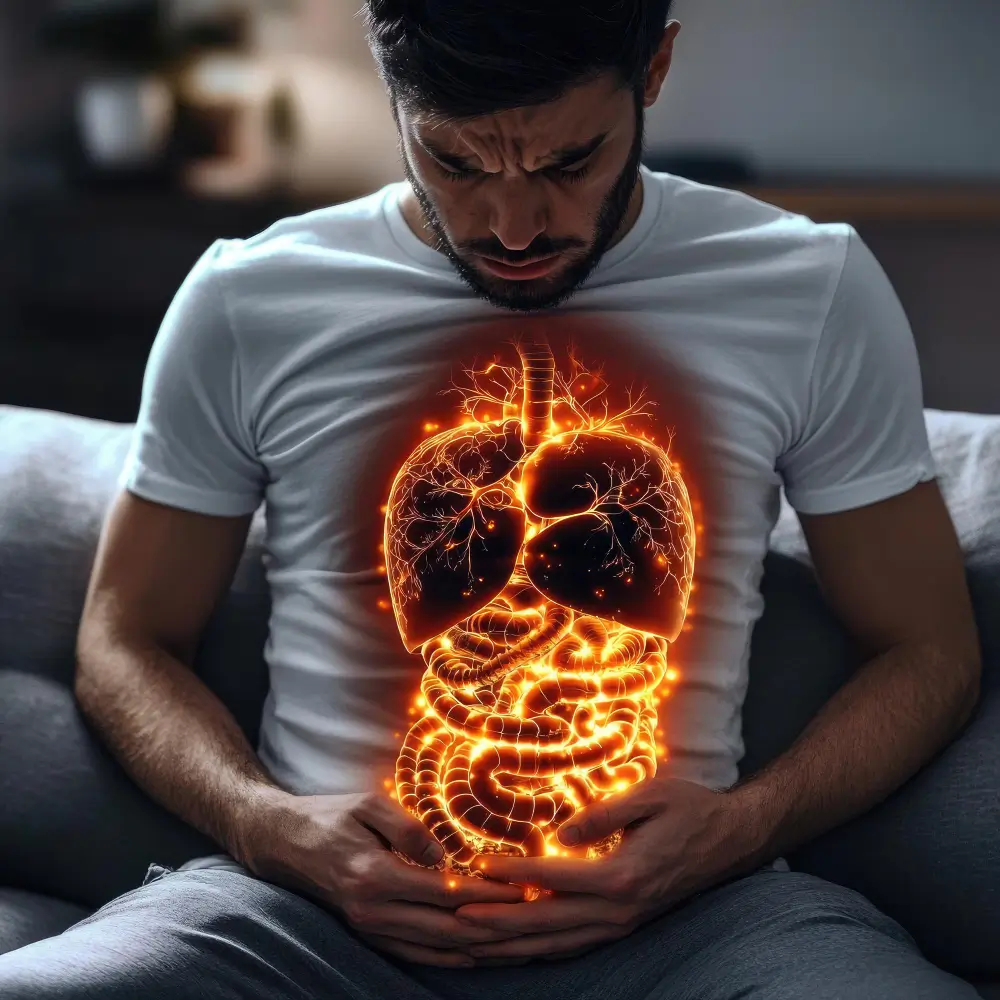
Alternative and Complementary Approach to Pain Management Therapies

Alternative & Complementary Approach to Pain Management: Therapies, Mechanisms & Integrative Treatment in NYC

Chronic pain is not simply a symptom to suppress — it is a complex biological signal that reflects unresolved neuroinflammation, HPA-axis dysregulation, mitochondrial dysfunction, and nutritional insufficiency. When standard analgesics mask but do not resolve this signal, patients are left cycling through medications without ever addressing why the pain persists.

50M+

Americans living with chronic pain

$635B

Annual economic cost of chronic pain in the US

78%

Patients reporting inadequate pain relief from opioids alone

3–6 mo

Typical integrative recovery timeline

Alternative & Complementary Approach to Pain Management

Medically reviewed by Dr. Rashmi Gulati, MD — Medical Director, Patients Medical

Board-certified integrative medicine physician · Fellowship-trained in functional and preventive medicine

Clinical Definition

Integrative and complementary pain management refers to a patient-centred, evidence-informed multimodal approach that systematically evaluates and treats the neuroinflammatory, hormonal, nutritional, mitochondrial, psychosocial, and structural contributors to acute and chronic pain — using modalities including acupuncture, low-level laser therapy, manual therapy, mind-body interventions, IV micronutrient therapy, and dietary medicine alongside conventional pharmacological care where indicated. Unlike symptom-suppressive analgesic prescribing, integrative pain management seeks to resolve the biological conditions that perpetuate pain signalling — specifically central sensitisation, HPA-axis dysregulation, gut-derived systemic inflammation, and myofascial trigger point networks — to achieve durable pain reduction, restored functional capacity, and improved quality of life without escalating medication dependence.

Key Symptoms

Primary Causes

Treatment Approach

What is Alternative and Complementary Approach to Pain Management?

Integrative and complementary pain management describes a systematic, biology-driven approach to treating chronic and complex pain that goes substantially beyond what standard analgesic prescribing can achieve. The term “complementary” does not mean unproven — it means that these therapies work alongside conventional medicine, addressing the biological substrates of pain that opioids, NSAIDs, and corticosteroids cannot reach. The National Institutes of Health, the American College of Physicians, and the Centers for Disease Control and Prevention have each published clinical guidance recommending non-pharmacological, multimodal pain therapies as first- or equal-line treatment for chronic low back pain, fibromyalgia, osteoarthritis, and headache — a shift that reflects decades of accumulating evidence for modalities including acupuncture, cognitive behavioural therapy, and manual therapies.

The biological mechanism underlying most chronic pain is not structural damage — it is neuroinflammation. When the immune system chronically upregulates pro-inflammatory cytokines (interleukin-6, TNF-alpha, substance P), these molecules sensitise peripheral nociceptors and dorsal horn neurons, lowering the threshold at which pain signals are transmitted. This process, called central sensitisation, explains why pain persists long after tissues have healed, why patients with fibromyalgia experience pain from light touch, and why standard imaging often fails to correlate with pain severity. Integrative medicine’s contribution is to identify and correct the upstream drivers of this inflammatory cascade — whether they originate in gut dysbiosis, adrenal dysfunction, hormonal imbalance, nutritional deficiency, or unresolved psychological trauma.

Functional medicine recognises chronic pain as a whole-body phenomenon rather than a localised tissue event. This perspective matters because it explains why pain so frequently co-occurs with fatigue, cognitive impairment, mood disturbance, and sleep disruption — these are not separate problems but interconnected expressions of the same underlying neuroinflammatory biology. Addressing any one dimension without addressing the others produces partial and temporary results. At Patients Medical in New York City, our integrative pain protocols begin with a comprehensive functional evaluation that maps each patient’s specific pain phenotype before a single treatment is prescribed.

Chronic pain affects approximately 50 million Americans, with roughly 20 million experiencing high-impact chronic pain that limits daily activities. It disproportionately affects women (particularly fibromyalgia, migraine, and complex regional pain syndrome), adults aged 45–64, and individuals with comorbid autoimmune disease, metabolic syndrome, or a history of adverse childhood experiences. Despite its prevalence, chronic pain remains systematically undertreated — patients average 5.6 physician visits and 2.2 years before receiving an accurate diagnosis and effective treatment plan.

Hypothalamic-Pituitary-Adrenal (HPA) Axis

The HPA axis governs the stress-cortisol response. Chronic pain dysregulates this axis, producing blunted cortisol rhythms that impair the body’s natural anti-inflammatory signalling — allowing pain-amplifying cytokines to remain chronically elevated. Restoring HPA function is a central therapeutic goal.

Dorsal Horn & Descending Pain Pathways

The dorsal horn of the spinal cord acts as a gating mechanism for pain signals. Central sensitisation causes wind-up in dorsal horn neurons, amplifying pain input. Descending inhibitory pathways from the periaqueductal grey (PAG) normally suppress this — a pathway directly activated by acupuncture and certain nutraceuticals.

Gut-Brain Axis & Intestinal Permeability

Increased intestinal permeability allows bacterial lipopolysaccharide (LPS) to enter systemic circulation, triggering toll-like receptor 4 (TLR-4) activation and neuroinflammation that amplifies pain signalling throughout the nervous system. Healing gut permeability is a frequently overlooked but measurable lever in chronic pain management.

Signs & Symptoms of Chronic Pain: What Integrative Medicine Recognises

Chronic pain produces a far wider constellation of symptoms than the pain itself — because neuroinflammation and HPA-axis dysregulation affect every major organ system simultaneously. Understanding the full symptom picture is what allows functional medicine to identify the root drivers rather than treating each symptom in isolation.

Energy & Sleep Symptoms

Non-restorative sleep

Chronic pain activates the limbic system at night, preventing the slow-wave sleep stages required for cellular repair and pain modulation; alpha waves intrude into delta sleep.

Persistent fatigue despite rest

Elevated IL-6 and TNF-alpha drive sickness behaviour, directly suppressing mitochondrial ATP production and creating the deep exhaustion that pain patients describe as different from ordinary tiredness.

Post-exertional malaise

Exercise temporarily upregulates inflammatory cytokines; in the absence of adequate anti-oxidant capacity and adrenal recovery, this produces a disproportionate worsening of pain and fatigue hours after activity.

Morning stiffness (>45 minutes)

Overnight accumulation of inflammatory prostaglandins and reduced nocturnal cortisol production impairs synovial fluid viscosity and myofascial extensibility during sleep.

Reduced physical endurance

Central sensitisation lowers the pain threshold during exertion; simultaneously, mitochondrial dysfunction reduces the aerobic energy supply available to working muscle.

Cognitive & Mental Symptoms

Cognitive & Mental Symptoms

Brain fog and concentration difficulty

Pro-inflammatory cytokines cross the blood-brain barrier and suppress hippocampal neurogenesis and prefrontal cortex activity, impairing working memory, attention, and executive function.

Anxiety and hypervigilance

Chronic pain sensitises the amygdala, creating a state of anticipatory fear of pain that produces generalised anxiety and autonomic nervous system hyperactivation independent of external stressors.

Depression and anhedonia

Shared neuroinflammatory pathways suppress serotonin, dopamine, and BDNF synthesis simultaneously in pain and mood circuits; chronic pain and major depression have a 52% co-occurrence rate.

Emotional lability

HPA-axis dysregulation impairs the prefrontal cortex's ability to regulate amygdala reactivity, producing exaggerated emotional responses to minor stressors.

Catastrophising & pain amplification

Neuroplastic changes in the anterior cingulate cortex amplify the affective (suffering) component of pain, making the same nociceptive input feel more threatening and harder to endure.

Physical & Musculoskeletal Symptoms

Widespread musculoskeletal pain

Central sensitisation lowers the pain threshold across all body regions simultaneously; widespread pain is the hallmark of fibromyalgia and is diagnostic when it occurs in all four quadrants for >3 months.

Myofascial trigger points

Sustained sarcomere contraction at motor endplates creates hypoxic, acidic micro-environments within muscle tissue that perpetuate local pain and refer pain to distant sites via convergent spinal pathways.

Allodynia (pain from light touch)

Central sensitisation causes normally non-painful stimuli (clothing, light pressure) to activate nociceptive pathways — a direct marker of wind-up in dorsal horn neurons.

Joint pain and swelling

Systemic inflammation drives synovial membrane activation and periarticular oedema; even without structural arthritis, elevated hsCRP drives joint discomfort in functional pain states.

Headaches and migraines

Trigeminal sensitisation, magnesium deficiency, and gut-derived serotonin dysregulation are commonly co-occurring neuroinflammatory mechanisms in patients with chronic musculoskeletal pain and migraine.

Physical & Musculoskeletal Symptoms
Systemic & Autonomic Symptoms

Systemic & Autonomic Symptoms

Gastrointestinal pain and bloating

Visceral hypersensitivity — central sensitisation affecting the enteric nervous system — produces IBS-like gut pain that is neurological rather than structural; gut-brain axis dysfunction mediates bidirectionally.

Temperature dysregulation

Autonomic nervous system dysfunction from HPA-axis disruption impairs thermoregulation, producing cold hands and feet, night sweats, and abnormal heat or cold sensitivity.

Palpitations and heart rate variability reduction

Chronic sympathetic nervous system dominance from pain stress suppresses vagal tone and reduces heart rate variability — a measurable marker of ANS dysfunction strongly associated with poor pain outcomes.

Skin sensitivity and rashes

Mast cell activation — triggered by neuroinflammation and gut dysbiosis — produces histamine-mediated skin reactions that co-occur with fibromyalgia and central sensitisation syndromes in a significant minority of patients.

Increased susceptibility to illness

Chronic cortisol elevation suppresses Th1 immune responses, impairing innate immunity against viral and bacterial pathogens while paradoxically upregulating Th2 allergic and inflammatory responses.

The 4 Categories of Evidence-Based Integrative Pain Therapies

Integrative pain management is not a single therapy but a structured framework of complementary modality categories, each addressing a different dimension of the chronic pain experience. Selecting the right combination for each patient requires understanding which category addresses their primary pain driver — and functional biomarker testing determines this.

01

Mind-Body & Neurological Interventions

Primary target: Central Sensitisation

Mindfulness-based stress reduction (MBSR), cognitive behavioural therapy for chronic pain (CBT-CP), biofeedback, hypnosis, and guided imagery work by inducing measurable neuroplastic changes in the anterior cingulate cortex and prefrontal cortex — reducing the affective amplification of pain signals. Research from the University of Washington demonstrates that 8-week MBSR programmes produce cortical thinning in pain-processing regions and reduce self-reported pain catastrophising scores by 35–45%.

Best for patients with: high catastrophising scores, co-occurring anxiety or depression, fibromyalgia, tension-type headache, and IBS-related visceral pain.

02

Physical & Manual Therapies

Primary target: Myofascial & Structural Pain

Acupuncture, dry needling, osteopathic manipulation, chiropractic care, therapeutic massage, and myofascial release address physical pain drivers at the tissue level. These modalities deactivate myofascial trigger points, restore normal joint mechanics, stimulate endorphin release, and modulate spinal gate control. Acupuncture is the most extensively studied, with the 2017 Acupuncture Trialists’ Collaboration meta-analysis (20,827 patients) demonstrating clinically significant long-term benefit across back, neck, shoulder, and osteoarthritic pain.

Best for patients with: myofascial pain syndrome, chronic low back pain, neck pain, osteoarthritis, tendinopathies, and post-surgical chronic pain.

03

Nutritional & Nutraceutical Medicine

Primary target: Neuroinflammation & Micronutrient Deficiency

Targeted anti-inflammatory dietary protocols, elimination diets, and evidence-based supplementation with magnesium glycinate, vitamin D3, omega-3 fatty acids, curcumin phytosome, alpha-lipoic acid, and CoQ10 address the biochemical environment sustaining chronic pain. Magnesium deficiency — present in up to 68% of Americans — directly lowers the threshold for NMDA receptor activation and central sensitisation. Vitamin D deficiency is independently associated with musculoskeletal pain, migraine, and fibromyalgia, and supplementation to a 25-OH level of 50–80 ng/mL produces measurable pain reduction in deficient individuals.

Best for patients with: fibromyalgia, widespread pain, migraine, neuropathic pain, inflammatory arthritis, and chronic fatigue co-occurring with pain.

04

Energy & Regenerative Therapies

Primary target: Mitochondrial & Tissue Repair

Low-level laser therapy (LLLT / photobiomodulation), intravenous micronutrient therapy (Myers Cocktail, high-dose vitamin C, glutathione), and ozone therapy address cellular energy production deficits and oxidative stress that sustain chronic pain states. LLLT stimulates cytochrome c oxidase in the mitochondrial electron transport chain, accelerating ATP synthesis in damaged tissue, reducing prostaglandin E2 production, and downregulating inflammatory gene expression via NF-κB inhibition. IV Myers Cocktail delivers magnesium, B vitamins, vitamin C, and calcium directly to tissues bypassing gut absorption limitations.

Best for patients with: treatment-resistant chronic pain, neuropathic pain, fibromyalgia, complex regional pain syndrome (CRPS), and chronic fatigue co-occurring with pain.

What Causes Chronic Pain? Root Factors in Integrative Medicine

Most chronic pain is not caused by a single event or structural abnormality — it is sustained by a web of interacting biological, nutritional, hormonal, and lifestyle factors that create an inflammatory environment in which pain signals cannot resolve. Identifying a patient’s specific combination of these drivers is what allows functional medicine to design protocols that actually work.

01

Systemic Neuroinflammation

Chronically elevated hsCRP, IL-6, and TNF-alpha sensitise peripheral nociceptors and dorsal horn neurons, lowering the threshold at which pain is perceived.

02

HPA-Axis Dysregulation

Blunted or dysrhythmic cortisol secretion impairs the body’s natural anti-inflammatory mechanism, allowing inflammatory cytokines to remain chronically elevated without the normal daytime regulatory response.

03

Magnesium Deficiency

Magnesium acts as a natural NMDA receptor antagonist; deficiency — present in up to 68% of Americans — removes this inhibitory brake, allowing central sensitisation to develop and persist.

04

Vitamin D Insufficiency

Vitamin D3 modulates cytokine production via VDR nuclear receptors; levels below 30 ng/mL are independently associated with musculoskeletal pain, fibromyalgia, and migraine frequency.
 

05

Gut Dysbiosis & Intestinal Permeability

A disrupted microbiome increases intestinal permeability, allowing bacterial LPS into systemic circulation — activating TLR-4 receptors and driving the neuroinflammatory cascade that sustains pain.

06

Mitochondrial Dysfunction

Reduced mitochondrial ATP production in nociceptive neurons and dorsal horn cells impairs normal pain signal termination and tissue repair, prolonging both the experience and the biology of pain.

07

Food Antigen–Driven Inflammation

IgG and IgA-mediated food sensitivities (particularly to gluten, dairy, eggs, and nightshades) drive sustained systemic inflammation that amplifies pain in susceptible individuals.

08

Psychological Trauma & ACE Scores

Adverse childhood experiences durably sensitise the HPA axis and amygdala, creating a biological substrate for central sensitisation syndromes including fibromyalgia, CRPS, and chronic pelvic pain.

09

Sleep Deprivation

Even two nights of disrupted sleep significantly lower pressure pain thresholds in healthy individuals; chronic sleep deprivation is both a cause and consequence of central sensitisation.

10

Structural & Biomechanical Factors

Postural imbalances, leg-length discrepancies, myofascial restriction patterns, and prior injuries create sustained mechanical stress that activates and perpetuates peripheral nociceptors and trigger point formation.

11

Hormonal Imbalances

Oestrogen modulates serotonin, GABA, and endorphin signalling; low oestrogen in perimenopause increases pain sensitivity — explaining the high prevalence of new-onset fibromyalgia during this transition.

12

Oxidative Stress & CoQ10 Depletion

Mitochondrial oxidative stress — worsened by statin use, which depletes CoQ10 — damages nociceptive neurons and reduces the antioxidant capacity required for resolution of inflammatory pain states.

Integrative Pain Management vs. Related Approaches: What's the Difference?

Patients often encounter multiple pain management frameworks and need clarity on how they differ in diagnostic philosophy, therapeutic scope, and outcomes. The table below compares integrative functional medicine pain management with the most commonly encountered alternative approaches.

Dimension Integrative / Functional Medicine Conventional Pain Management Chiropractic / Osteopathy Naturopathic Medicine
Diagnostic approach Advanced biomarker testing (hsCRP, cortisol, micronutrients, gut permeability) + detailed history Imaging, orthopaedic assessment, pain scoring scales Structural/postural assessment, spinal palpation Constitutional assessment, herbal and nutritional history
Primary treatment modalities Acupuncture, LLLT, IV therapy, MBSR, anti-inflammatory nutrition, nutraceuticals Opioids, NSAIDs, corticosteroid injections, surgery Spinal manipulation, soft tissue therapy, exercise rehabilitation Herbal medicine, hydrotherapy, homeopathy, dietary guidance
Targets neuroinflammation? Yes — directly via dietary, nutraceutical, and HPA protocols Partially — NSAIDs and corticosteroids suppress acute inflammation only Indirectly via spinal cord modulation Yes — via herbal anti-inflammatories and nutrition
Addresses HPA-axis? Yes — salivary cortisol testing + targeted adrenal support Rarely Not systematically Sometimes
Opioid reduction focus? Yes — explicit goal of reducing analgesic dependence Variable — sometimes escalates opioid use Yes — non-pharmacological Yes — non-pharmacological
Level of evidence Strong RCT evidence for acupuncture, MBSR, omega-3, magnesium; emerging evidence for LLLT and IV therapy Strong for acute pain; limited for chronic pain Good RCT evidence for back and neck pain Variable; some modalities well-studied, others limited

Important overlap note: Fibromyalgia, chronic fatigue syndrome (ME/CFS), and complex regional pain syndrome (CRPS) share central sensitisation as a common mechanism and respond to similar integrative interventions. If you have received any of these diagnoses, see our dedicated pages: Fibromyalgia · Chronic Fatigue Syndrome.

Is Integrative Pain Management Evidence-Based? The Honest Answer

01

Conventional Medicine's Position

02

Functional Medicine's Perspective

Patients Medical’s position: We apply integrative therapies where evidence supports them, communicate that evidence honestly to our patients, and use conventional analgesics and procedures where they are genuinely indicated. We do not treat integrative medicine as a replacement for surgery when surgery is needed — nor do we offer opioids as a first response to chronic pain when non-pharmacological approaches have demonstrably superior long-term outcomes. Our protocols are continually reviewed against emerging evidence. What we will not do is offer our patients less than the full scope of what evidence supports simply because it falls outside the conventional pharmaceutical model.

How We Diagnose Chronic Pain Root Causes in NYC

01

High-Sensitivity Inflammatory Biomarker Panel

We measure high-sensitivity C-reactive protein (hsCRP), interleukin-6 (IL-6), tumour necrosis factor-alpha (TNF-α), and erythrocyte sedimentation rate (ESR). These markers quantify the degree of systemic neuroinflammation driving central sensitisation — something that a standard CMP or CBC completely misses. Patients with elevated hsCRP (>1.0 mg/L) have a measurable inflammatory burden that directly predicts pain severity and guides the intensity of anti-inflammatory interventions. See our inflammatory testing panel.

02

Salivary 4-Point Cortisol Mapping with DHEA-S

A single morning cortisol blood test tells you almost nothing about HPA-axis function — it captures one moment in a dynamic 24-hour rhythm. Our salivary cortisol mapping collects samples at 4 time points (waking, noon, late afternoon, bedtime) and measures DHEA-S concurrently to assess the cortisol-DHEA ratio. Blunted, flat, or inverted cortisol patterns are present in the majority of chronic pain patients and predict poor response to treatments that don’t address adrenal function. View our adrenal cortisol testing page.

03

Advanced Micronutrient Panel

We test red blood cell magnesium (more accurate than serum), vitamin D (25-OH), zinc, CoQ10 (ubiquinol), vitamin B12 (methylmalonic acid and homocysteine), and vitamin B6. Each of these micronutrients plays a specific, mechanistic role in pain threshold modulation, neural repair, and mitochondrial energy production. Repleting documented deficiencies is one of the highest-yield, lowest-risk interventions in functional pain medicine. See our micronutrient testing page.

04

Comprehensive Gut Microbiome and Intestinal Permeability Assessment

We use the GI-MAP stool DNA PCR test alongside intestinal permeability markers (serum zonulin, lactulose/mannitol urinary ratio) to assess the gut-brain axis contribution to chronic pain. Elevated zonulin indicates increased tight junction permeability, allowing LPS into systemic circulation — one of the most potent neuroinflammatory triggers identified. Dysbiosis patterns including Candida overgrowth, H. pylori, and depleted Lactobacillus and Bifidobacterium populations each have specific treatment implications. View our gut health testing page.

05

IgG and IgA Food Sensitivity Panel

Unlike IgE-mediated food allergies (which produce immediate reactions), IgG and IgA-mediated food sensitivities produce delayed (6–72 hour) inflammatory responses that patients rarely connect to their pain. Our 96-food IgG/IgA panel identifies specific antigenic triggers — commonly gluten, dairy, eggs, soy, and nightshades — that drive sustained systemic inflammation. A 4–6 week targeted elimination protocol based on test results frequently produces dramatic reductions in inflammatory pain in responsive patients. This test is not available through standard primary care. See our food sensitivity testing.

Does This Sound Like You?

Check the symptoms that apply. If you identify with 4 or more, a comprehensive functional pain evaluation is warranted.

Integrative Pain Management Treatment at Patients Medical NYC

Every treatment protocol at Patients Medical is built from the results of your functional pain evaluation. No two patients receive identical protocols because no two patients have identical root causes. What follows are the six treatment pillars we draw from — selected and combined based on your specific biomarker profile, pain phenotype, and treatment history.

Acupuncture & Dry Needling

Medical acupuncture at Patients Medical is prescribed as a structured protocol, not occasional sessions. We combine traditional meridian acupuncture with trigger point dry needling using electro-acupuncture stimulation for enhanced analgesic effect. A typical course involves 8–12 sessions over 4–6 weeks, with maintenance sessions monthly thereafter. This is the most extensively evidence-validated integrative pain modality available.

Electro-acupuncture

Trigger point needling

Auricular acupuncture

Battlefield Protocol

Low-Level Laser Therapy (LLLT)

Photobiomodulation therapy using 630–905 nm wavelength lasers stimulates mitochondrial cytochrome c oxidase, accelerating ATP synthesis in damaged tissue, downregulating NF-κB inflammatory gene expression, and reducing prostaglandin E2 production at the treatment site. LLLT is particularly effective for neuropathic pain, tendinopathy, musculoskeletal inflammation, and wound healing. Sessions are 10–20 minutes and completely non-invasive. View our LLLT treatment page.

Photobiomodulation

Class IV therapeutic laser

Infrared wavelength

Mind-Body & Neurofeedback

Our mind-body programme integrates mindfulness-based stress reduction (MBSR), biofeedback with heart rate variability (HRV) training, and guided visualisation. These interventions produce measurable neuroplastic changes in the anterior cingulate cortex and prefrontal cortex, reducing the affective amplification of pain signals and training the autonomic nervous system away from sympathetic dominance. We prescribe these as structured home-practice protocols with weekly supervised sessions, not as passive relaxation techniques. See our mind-body treatment programme.

MBSR 8-week protocol

HRV biofeedback

CBT for chronic pain

Neurofeedback

Intravenous Micronutrient Therapy

IV infusions bypass the gut absorption limitations that make oral supplementation inadequate in patients with intestinal permeability or severe deficiency. Our pain management IV protocols include the Myers Cocktail (magnesium chloride, vitamin C, B-complex, calcium gluconate), high-dose glutathione for oxidative stress reduction, and targeted alpha-lipoic acid infusions for neuropathic pain. IV magnesium is particularly effective for acute migraine, fibromyalgia flares, and muscle cramp syndromes. Protocols run 45–90 minutes and are prescribed based on micronutrient testing results. View our IV therapy treatments.

Myers Cocktail

High-dose Vitamin C

Glutathione IV

Alpha-lipoic acid

Targeted Nutraceutical Protocols

Based on your micronutrient, inflammatory, and cortisol testing, we prescribe a specific nutraceutical protocol addressing your documented deficiencies and inflammation pattern. This is not a generic supplement regimen from a health store — it is a biomarker-guided, pharmaceutical-grade supplementation protocol with defined target doses, monitoring intervals, and clear outcome measures. Standard protocols include magnesium glycinate 300–600 mg/day for NMDA antagonism, vitamin D3 + K2 titrated to 25-OH levels of 50–80 ng/mL, omega-3 EPA+DHA 2–4 g/day, curcumin phytosome 500 mg twice daily, and CoQ10 ubiquinol 200–400 mg/day. See our supplement therapy page.

Magnesium glycinate

Vitamin D3/K2

Omega-3 EPA+DHA

Curcumin phytosome

CoQ10 ubiquinol

HPA-Axis & Gut Restoration

For patients with documented adrenal dysrhythmia and gut permeability, we prescribe structured HPA restoration protocols using adaptogenic botanicals (ashwagandha KSM-66, rhodiola rosea, phosphatidylserine for evening cortisol elevation), combined with a 3-phase gut restoration protocol: Remove (elimination of identified food antigens and pathogens), Replace (digestive enzymes, bile support), Reinoculate (targeted probiotic strains including L. rhamnosus GG and B. longum), and Repair (L-glutamine, zinc carnosine, collagen peptides for tight junction healing). View our adrenal support treatment programme.

Ashwagandha KSM-66

L-glutamine protocol

Targeted probiotics

Phosphatidylserine

What to Expect: Your Recovery Timeline

Weeks 1–4
Anti-inflammatory dietary changes begin modulating the neuroinflammatory environment. Initial acupuncture and/or LLLT sessions commence. IV therapy initiated for severe deficiencies. Most patients notice improved sleep quality first.
Weeks 8–12
Repeat hsCRP and cortisol panel confirms biological progress. Most patients report meaningful pain intensity reduction (40–60%), improved cognitive clarity, and better energy. Nutraceutical protocol refined. Mind-body practice becomes habitual.
Months 3–6
Full functional recovery for the majority of chronic pain patients — defined as return to exercise, restored sleep, stable mood, and consistent daily function without analgesic dependence. Maintenance protocol established.

Lifestyle Practices for Chronic Pain Recovery

Lifestyle interventions in integrative pain management are not vague wellness platitudes — they are specific, mechanism-based daily practices that directly modulate the neuroinflammatory and neurological drivers of chronic pain. The six practices below are the ones our physicians prescribe most consistently, with the clearest evidence base.

Daily Parasympathetic Activation: 4-7-8 Breathing

Chronic pain keeps the autonomic nervous system in sympathetic dominance — a state that amplifies pain perception and suppresses tissue healing. Practise the 4-7-8 breath cycle (inhale 4 seconds, hold 7, exhale 8) for 10 minutes each morning and before sleep. This specific pattern maximally stimulates the vagus nerve, shifting ANS balance toward parasympathetic dominance, reducing cortisol, and lowering inflammatory cytokine production within a single 10-minute session. HRV biofeedback can help you measure your progress objectively.

Anti-inflammatory Exercise: Aquatic & Zone 2 Aerobic Movement

High-intensity exercise temporarily worsens pain in central sensitisation patients by upregulating inflammatory cytokines faster than the body can resolve them. Instead, we prescribe Zone 2 aerobic training (heart rate 60–70% of maximum, conversational pace) for 30 minutes, 4 days per week — sufficient to upregulate BDNF, improve mitochondrial density, and reduce IL-6 baseline levels without triggering a post-exertional flare. Aquatic exercise is ideal in the early months due to water's hydrostatic pressure reducing joint load.

Sleep Architecture Optimisation

Pain and sleep form a vicious cycle that must be interrupted at both ends simultaneously. Specific interventions with the strongest evidence: maintain a rigid wake time 7 days per week (anchors circadian cortisol rhythm), eliminate blue light exposure from all screens after 8pm (preserves melatonin onset), keep bedroom temperature at 65–67°F (18.3–19.4°C) to facilitate core temperature drop required for slow-wave sleep entry, and use 0.5mg melatonin (not 5–10mg, which is physiologically supra-physiological) taken 90 minutes before target sleep time.

Magnesium Transdermal Absorption: Epsom Salt Baths

In patients with impaired gut absorption, transdermal magnesium via 20-minute baths in 2 cups of pharmaceutical-grade Epsom salts (magnesium sulphate) provides an additional route of repletion. Water temperature at 40–42°C (104–108°F) dilates dermal capillaries and maximises transdermal absorption. This simple, low-cost practice has a measurable myorelaxant effect and reduces restless leg symptoms and muscle cramp frequency within 1–2 weeks. It is prescribed as a supplement to, not a replacement for, oral or IV magnesium repletion.

Morning Cortisol Anchoring: Light Exposure & Cold Stimulus

The cortisol awakening response (CAR) — the natural surge of cortisol in the first 30 minutes after waking — is blunted in most chronic pain patients with HPA dysregulation. Anchoring this response requires: (1) direct outdoor light exposure (or a 10,000-lux light therapy box) within 10 minutes of waking for 10–15 minutes — this suprachiasmatic nucleus input is the most powerful circadian signal available; (2) a 30-second cold water face immersion (or cold shower finish) activates the diving reflex and produces a noradrenergic surge that reinforces the cortisol spike. Together, these produce a stronger, more appropriately timed CAR and reduce afternoon energy crashes.

Pain Journalling & Expressive Writing

Expressive writing about pain-related experiences — pioneered by Dr. James Pennebaker at UT Austin — produces measurable reductions in pain intensity, physician visits, and inflammatory biomarkers in randomised trials. The mechanism involves emotional processing via the prefrontal cortex, reducing amygdala hyperactivation and its downstream contribution to pain amplification. The protocol: 20 minutes of free, unedited writing about the emotional experience of pain, without concern for grammar or narrative, for 4 consecutive days. Benefits persist for months. This is not a substitute for therapy but a meaningful adjunct, particularly for patients with high catastrophising scores.

Diet & Nutrition Guide for Chronic Pain Management

Diet is not a peripheral consideration in chronic pain — it is one of the most powerful modulators of the neuroinflammatory biology that sustains it. Every meal either contributes to or reduces the inflammatory burden that drives central sensitisation, and dietary change produces measurable reductions in hsCRP and IL-6 within 4–6 weeks. The Mediterranean and anti-inflammatory dietary patterns have the strongest evidence base across multiple chronic pain phenotypes.

The single most important dietary change for chronic pain

Eliminate refined omega-6 seed oils (soybean, corn, canola, sunflower, safflower) entirely and replace with extra-virgin olive oil, avocado oil, and butter from grass-fed sources. These industrial seed oils are the primary dietary driver of the AA:EPA ratio imbalance that amplifies COX-2-mediated inflammatory prostaglandin production — the same pathway that NSAIDs target. This single change consistently reduces hsCRP in 4–6 weeks.

Eat — Foods That Support Pain Recovery

Avoid — Foods That Worsen Chronic Pain

Related & Overlapping Conditions We Treat

Chronic pain rarely exists in isolation — it shares neuroinflammatory, hormonal, and gut-axis mechanisms with a cluster of conditions that are managed with overlapping integrative protocols at Patients Medical.

Fibromyalgia

Fibromyalgia is the prototypical central sensitisation syndrome — widespread pain in all four quadrants persisting >3 months, with characteristic tender point sensitivity. It shares every root cause mechanism with chronic pain generally and responds directly to the magnesium, MBSR, acupuncture, and anti-inflammatory protocols described on this page.

Chronic Fatigue Syndrome (ME/CFS)

Myalgic encephalomyelitis/chronic fatigue syndrome shares central sensitisation, mitochondrial dysfunction, HPA-axis dysregulation, and gut permeability with chronic pain syndromes. Many patients receive both diagnoses, and integrative protocols address both simultaneously through the shared neuroinflammatory mechanisms.

Adrenal Fatigue

HPA-axis dysregulation producing blunted cortisol rhythms is both a cause and consequence of chronic pain. Restoring adrenal function — quantified by salivary cortisol mapping — is a prerequisite for resolution of pain in most patients with co-occurring fatigue and mood disturbance.

Arthritis

Both osteoarthritis and rheumatoid arthritis generate neuroinflammation and central sensitisation that extend far beyond joint tissue. Integrative approaches to arthritis — omega-3 loading, curcumin, LLLT, and anti-inflammatory diet — address this systemic component alongside targeted joint therapy.

Back & Neck Pain

Chronic back and neck pain is the most common pain presentation and the condition for which acupuncture, spinal manipulation, and MBSR have the strongest and most extensive RCT evidence base. Functional evaluation identifies whether pain is primarily structural, myofascial, or centrally sensitised — each requiring a different treatment emphasis.

Hormonal Imbalance

Oestrogen, progesterone, testosterone, and thyroid hormones each modulate pain threshold through distinct receptor pathways. Hormonal imbalances — particularly in perimenopause, andropause, and hypothyroidism — frequently initiate or worsen chronic pain conditions that do not respond until the hormonal substrate is addressed.

When to See a Doctor About Chronic Pain

Many people normalise chronic pain or delay seeking evaluation because they fear being dismissed, labelled as drug-seeking, or told their tests are normal. A functional medicine evaluation at Patients Medical is specifically designed to avoid all three of these outcomes — we look for the biology that standard panels miss and we take your symptom experience seriously as a starting point, not an obstacle.

Seek a functional medicine evaluation if:

🚨 Seek emergency medical evaluation immediately if you experience: Sudden severe headache described as “the worst of your life” (thunderclap headache) · Chest pain radiating to the arm or jaw · Pain accompanied by sudden loss of strength, numbness, or speech difficulty · Pain following significant trauma or fall · New-onset severe pain with fever over 101°F · Back pain with loss of bowel or bladder control (cauda equina syndrome). These require emergency evaluation and are not appropriate for integrative care as a first response.

What Our Patients Say About Integrative Pain Treatment

Patient testimonials below represent individual experiences. Results vary. Names are first name and last initial only to protect privacy. These are composite accounts reflecting the range of outcomes our patients experience.

Frequently Asked Questions About Integrative Pain Management

Integrative and complementary pain management is a patient-centred approach that combines evidence-based conventional medicine with rigorously evaluated non-pharmacological therapies to address the full biological, psychological, and social dimensions of chronic pain. Unlike opioid-focused care, which suppresses pain signals without addressing underlying causes, integrative pain management investigates the root drivers of a patient’s pain phenotype — including neuroinflammation, central sensitisation, mitochondrial dysfunction, HPA-axis dysregulation, myofascial trigger points, nutritional deficiencies, and gut-derived systemic inflammation.

Therapies used include acupuncture, low-level laser therapy, mindfulness-based stress reduction, targeted nutraceuticals, manual therapy, intravenous micronutrient infusions, and dietary medicine. At Patients Medical in New York City, these interventions are prescribed as a personalised multimodal protocol based on advanced laboratory testing and a detailed clinical evaluation — not as a random assortment of “alternative” add-ons. The goal is not simply to reduce pain scores but to restore functional capacity, improve sleep and cognition, and address the systemic imbalances that perpetuate chronic pain. Integrative medicine does not replace appropriate conventional care; it works alongside it to achieve outcomes that neither approach achieves alone.

The timeline for response to integrative pain management depends on pain duration, severity, and the number of overlapping root causes identified. Patients with acute-to-subacute pain (3–12 weeks) typically notice meaningful improvement within 4–8 weeks of a multimodal integrative protocol. Chronic pain that has persisted for years — particularly when central sensitisation, adrenal exhaustion, and gut-derived neuroinflammation are present — generally requires 3–6 months to achieve sustained relief.

At Patients Medical, we break recovery into measurable phases: in the first 4 weeks, anti-inflammatory dietary changes, targeted supplementation, and initial acupuncture or manual therapy sessions begin to modulate the neuroinflammatory environment. By weeks 8–12, most patients report improved sleep, reduced pain intensity scores, and better cognitive clarity as cortisol rhythms normalise and gut permeability improves. Full functional recovery — meaning return to exercise, improved mood, and consistent pain control — typically occurs between months 3 and 6 for chronic pain patients. Progress is tracked through repeat biomarker testing (hsCRP, cortisol, vitamin D) at 6 and 12 weeks, and protocols are adjusted accordingly.

Standard medical panels — basic CBC, CMP, and X-rays — identify structural damage and major inflammatory disease but miss the subclinical drivers that sustain chronic pain in the majority of patients. At Patients Medical, our comprehensive functional pain evaluation includes: (1) an inflammatory biomarker panel measuring high-sensitivity C-reactive protein (hsCRP), interleukin-6 (IL-6), tumour necrosis factor-alpha (TNF-α), and erythrocyte sedimentation rate (ESR); (2) salivary 4-point cortisol mapping with DHEA-S to assess HPA-axis dysregulation; (3) red blood cell magnesium, vitamin D (25-OH), zinc, CoQ10, and B-vitamin testing; (4) comprehensive stool analysis and intestinal permeability markers (zonulin, lactulose/mannitol ratio); and (5) IgG and IgA food sensitivity panels to identify dietary antigens perpetuating systemic inflammation.

These tests together create a functional pain map that guides the personalised treatment protocol — something that is impossible to achieve from a standard 10-minute primary care visit. All tests are reviewed by Dr. Gulati personally, and results are presented in a detailed consultation where the connections between each finding and your specific symptoms are explained.

Yes — chronic pain and depression share overlapping neurobiological mechanisms, and the relationship is bidirectional. Persistent pain elevates circulating pro-inflammatory cytokines (particularly IL-6 and TNF-α) that cross the blood-brain barrier and suppress serotonin, dopamine, and BDNF (brain-derived neurotrophic factor), causing the depressed mood, anhedonia, and motivational impairment seen in up to 52% of chronic pain patients. Central sensitisation — the process by which the dorsal horn and prefrontal cortex become hypersensitised to pain signals — also impairs working memory, attention, and processing speed, producing the “brain fog” and cognitive slowing that many chronic pain patients describe.

HPA-axis dysregulation, common in chronic pain, elevates cortisol chronically, which accelerates hippocampal atrophy and worsens both cognition and mood regulation. Conversely, depression amplifies pain perception by reducing descending pain inhibitory pathways from the periaqueductal grey (PAG) matter. Treating chronic pain without addressing neuroinflammation and HPA-axis function rarely resolves mood and cognitive symptoms; equally, treating depression alone without addressing the inflammatory pain drivers is frequently insufficient. Functional medicine integrates both dimensions simultaneously — which is why our pain protocols always include cortisol assessment and mood screening.

Conventional pain management focuses primarily on symptomatic suppression through NSAIDs, opioid analgesics, corticosteroid injections, and surgical interventions. These approaches are essential for acute pain and structural pathology but have well-documented limitations in chronic pain: opioids produce tolerance, dependence, and opioid-induced hyperalgesia; NSAIDs cause GI damage and cardiovascular risk with long-term use; and corticosteroids suppress adrenal function and accelerate tissue degeneration with repeated use.

Integrative pain management, as practised at Patients Medical, uses the same diagnostic rigour as conventional medicine — detailed history, physical examination, advanced laboratory testing — but extends the investigation to identify neuroinflammatory, nutritional, hormonal, mitochondrial, and gut-derived contributors to pain. Treatment is multimodal by design: acupuncture modulates spinal gate control mechanisms and endorphin release; low-level laser therapy stimulates mitochondrial ATP production in damaged tissue; magnesium glycinate reduces NMDA receptor-mediated central sensitisation; MBSR practice demonstrably rewires cortical pain processing networks. Integrative pain management does not refuse conventional interventions — it prescribes them where genuinely indicated while simultaneously addressing the underlying biology that makes chronic pain persist.

Acupuncture exerts its analgesic effects through four well-established neurobiological mechanisms. First, needle insertion at specific acupoints stimulates A-delta and C-fibre afferents that activate descending pain-inhibitory pathways from the periaqueductal grey and raphe nuclei, triggering endogenous opioid peptide (beta-endorphin, enkephalin, dynorphin) release. Second, acupuncture modulates the spinal gate control mechanism, reducing dorsal horn transmission of nociceptive signals. Third, functional MRI studies demonstrate that acupuncture produces measurable deactivation of the limbic system — particularly the amygdala and anterior cingulate cortex — reducing the affective component of pain. Fourth, local needling resolves myofascial trigger points by producing the local twitch response, which releases contracted sarcomere units within taut muscle bands.

A 2017 meta-analysis in JAMA Internal Medicine analysing data from 20,827 patients found acupuncture produced clinically meaningful pain reductions for chronic back, neck, shoulder, and osteoarthritic pain that persisted at 12-month follow-up — one of the largest datasets ever assembled for any pain intervention. At Patients Medical, acupuncture is combined with dry needling of myofascial trigger points and prescribed as part of a broader protocol rather than in isolation for maximum efficacy.

Several evidence-graded nutraceuticals address specific mechanisms of chronic pain. Magnesium glycinate (300–600 mg/day) blocks over-activated NMDA glutamate receptors in the dorsal horn, reducing central sensitisation — the mechanism underlying fibromyalgia, tension headache, and many forms of widespread pain. Vitamin D3 (2,000–5,000 IU/day, titrated to a 25-OH serum level of 50–80 ng/mL) modulates immune cytokine production and reduces musculoskeletal pain in deficient patients. Omega-3 fatty acids EPA and DHA (2–4 g/day combined) compete with arachidonic acid for COX-2 enzyme activity, reducing prostaglandin E2-mediated inflammatory pain.

Curcumin phytosome (500–1,000 mg/day of a bioavailable form) inhibits NF-κB pathway activation, reducing downstream cytokine production. Alpha-lipoic acid (600 mg/day) reduces oxidative stress in damaged peripheral nerves, benefiting neuropathic pain. Coenzyme Q10 (200–400 mg/day, ubiquinol form) restores mitochondrial function in sensitised dorsal horn neurons. These supplements are prescribed based on individual biomarker testing at Patients Medical — supplementing without testing risks wasting resources on nutrients that are already adequate while missing genuine deficiencies that are driving your specific pain pattern.

Ready to Understand the Root Causes of Your Pain?

At Patients Medical, we combine advanced functional biomarker testing with NYC’s most comprehensive integrative pain protocols — giving you a genuine explanation for why your pain persists, and a personalised, measurable path to resolving it.

Comprehensive Pain Testing

Advanced inflammatory, hormonal, micronutrient, and gut biomarker panels that reveal what standard testing misses

Expert Physician Interpretation

Dr. Rashmi Gulati personally reviews all results and designs your personalised multimodal pain protocol

Measurable Recovery Tracking

Repeat biomarker testing at 6 and 12 weeks confirms your biology is improving alongside your pain scores

Call us at (212) 794-8800 · Second Avenue, Suite 900, New York, NY 10017

Begin Your Journey with Patients Medical

Patients Medical specializes in gently helping the patient identify the root cause of their medical issues and then assist them to recover from their problems to help them move forward to good health.

Request your consultation today!

To schedule an in person on Tele-medicine appointment, please call our office at (212) 794-8800 or email us at info@PatientsMedical.com We look forward to hearing from you

Our medical center in New York City.

Patients Medical PC
1148 Fifth Avenue, Suite 1B New York, NY 10128

Make an Appointment