Supplement Therapy NYC — Physician-Guided Nutritional Protocols

AI Smart Summary Box

Quick Summary

Patients Medical provides physician-guided supplement therapy using advanced lab testing to identify nutrient deficiencies and metabolic imbalances. In operation since 1974.

Who This Is For

Fatigue sufferers · Thyroid and Hashimoto's patients · Menopause and andropause patients · Long COVID patients · Patients with chronic inflammation · Individuals seeking healthy-aging support

Cost / Key Stat

According to the National Institutes of Health Office of Dietary Supplements, an estimated 42% of U.S. adults have insufficient vitamin D levels (NIH, 2024).

Timeline

Most patients receive a personalized supplement plan within 1–2 weeks of evaluation and laboratory review.

Safety & Oversight

All supplement protocols are physician-guided, based on individual lab results and clinical evaluation — not self-selected or one-size- fits-all.

Why Patients Medical

Founded in 1974 · Root-cause integrative medicine · Advanced laboratory diagnostics · Nationwide telemedicine available

Contact

patientsmedical.com

New York City + Nationwide Telehealth

Patients Medical is a physician-led integrative medicine practice that provides personalized supplement therapy and root-cause medical care based on advanced laboratory testing. Patients Medical is one of the longest-operating integrative medicine practices in New York City, providing physician-guided care in Manhattan since 1974.

Medical Director: Dr. Rashmi Gulati, MD, board-certified, practicing in New York State. Office located at 1148 Fifth Avenue, Suite 1B, New York, NY 10128.

What is Supplement therapy at Patients Medical

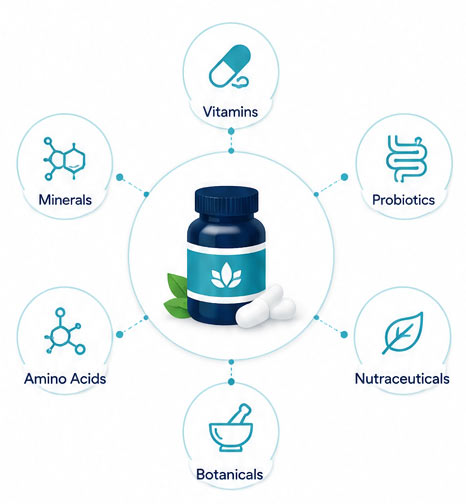
Supplement therapy at Patients Medical is a physician-guided treatment approach that uses targeted vitamins, minerals, amino acids, probiotics, and botanicals to correct deficiencies identified through laboratory testing. Unlike over-the-counter supplement shopping, every protocol is built from individual lab results — including thyroid panels, micronutrient analysis, and hormone testing — rather than guesswork

Patients Medical has used this root-cause, lab-driven approach since 1974 under the medical direction of Dr. Rashmi Gulati, MD.

Schedule a Consultation

receive a personalized supplement plan

📊 Key Statistics Box

Statistic Source
An estimated 42% of U.S. adults have insufficient vitamin D levels. NIH Office of Dietary Supplements (2024)
Magnesium intake below recommended levels is common among U.S. adults who eat primarily processed foods. NIH Office of Dietary Supplements (2024)
More than half of U.S. adults report using at least one dietary supplement. CDC National Center for Health Statistics (2023)
Nutritional status can influence immune and metabolic function. NIH Office of Dietary Supplements (2024)
Personalized nutrition approaches are an expanding area within preventive and integrative medicine. NIH National Center for Complementary and Integrative Health (2024)

Many people take supplements hoping to improve energy, immunity, or hormone balance, but most are guessing which products they actually need.

This guide explains what supplement therapy is, who benefits most, how Patients Medical uses advanced lab testing to identify deficiencies, and what a personalized protocol looks like in practice.

As a physician-led integrative medicine practice in Manhattan since 1974, Patients Medical evaluates the underlying cause of symptoms before recommending treatment.

For a free consultation or continue reading for the complete guide.

What Is Supplement Therapy?

Supplement therapy is the physician-guided use of vitamins, minerals, amino acids, probiotics, botanicals, and nutraceuticals to correct identified nutritional deficiencies and support overall health. At Patients Medical, supplement therapy is one component of a broader root-cause approach: rather than treating symptoms in isolation, physicians use lab testing to determine why a deficiency or imbalance exists, then build a protocol around that finding. This distinguishes medically guided supplement therapy from self-directed supplement use, where dosing and product selection are based on marketing rather than individual lab data.

Who Supplement Therapy Is For

Patients experiencing chronic fatigue or persistent brain fog

Thyroid disorder and Hashimoto's disease patients

Patients in perimenopause or menopause

Men with symptoms of low testosterone

Long COVID patients with lingering symptoms

Patients with digestive disorders or suspected gut dysfunction

Patients with autoimmune conditions or chronic inflammation

Individuals seeking healthy-aging and preventive wellness support

Why Most Over-the-Counter Supplements Fail

Most self-selected supplement regimens fail for predictable, fixable reasons. Common problems include:

Conditions We Commonly Support

Supplement Therapy for Fatigue

Persistent fatigue is frequently linked to nutrient deficiencies such as low vitamin D, B12, iron, or magnesium. Lab testing identifies which deficiencies are present so that a targeted protocol — rather than a generic multivitamin — can be built.

Supplement Therapy for Thyroid Health

Patients with hypothyroidism or Hashimoto's disease often have co-occurring deficiencies in selenium, zinc, and vitamin D that can affect thyroid hormone metabolism. A comprehensive thyroid panel guides supplement selection alongside conventional thyroid management.

Supplement Therapy for Menopause

Hormonal shifts during menopause can affect bone density, mood, and sleep. Supplement protocols are built around individual hormone testing results and may be combined with other integrative therapies offered at Patients Medical.

Supplement Therapy for Testosterone Support

For men with symptoms of low testosterone, supplement therapy may complement broader hormonal evaluation. Zinc, vitamin D, and magnesium status are commonly assessed as part of this workup.

Supplement Therapy for Immune Health

Immune function depends on adequate levels of vitamin D, zinc, and other micronutrients. Testing identifies specific gaps rather than relying on generic immune-support products.

Supplement Therapy for Gut Health

Digestive symptoms are frequently tied to microbiome imbalance or nutrient malabsorption. Protocols may include targeted probiotics, digestive enzymes, and amino acid support based on GI-MAP testing results.

Supplement Therapy for Healthy Aging

Preventive, physician-guided supplementation is used to support metabolic, cardiovascular, and cognitive health as part of a broader healthy-aging strategy.

Advanced Testing Before Supplement Therapy

Before recommending any supplement protocol, Patients Medical physicians rely on advanced diagnostic testing to confirm what the body actually needs. Testing may include:
🩸

Comprehensive blood chemistry panels

🦋

Comprehensive thyroid panels

🧬

Hormone testing

🧪

DUTCH (Dried Urine Test for Comprehensive Hormones) testing

🦠

GI-MAP stool testing

🥗

Micronutrient analysis

🍞

Food sensitivity testing

🛡️

Inflammatory marker testing

Key Facts Table

Fact Detail
Approach Physician-guided, lab-driven supplement protocols
Founded 1974
Medical Director Dr. Rashmi Gulati, MD
Testing Used Blood chemistry, thyroid panel, DUTCH testing, GI-MAP stool testing, micronutrient analysis, and food sensitivity testing
Typical Timeline Personalized plan within 1–2 weeks of evaluation and lab review
Availability In-person (NYC) and nationwide telemedicine
Payment Model Cash-pay; superbills available for HSA/FSA reimbursement

Our Personalized Supplement Process

1

Comprehensive Consultation

A physician reviews symptoms, health history, and goals to determine which testing is appropriate.

2

Advanced Diagnostic Testing

Lab work is ordered based on the consultation — which may include thyroid, hormone, micronutrient, or GI testing.

3

Review of Deficiencies and Imbalances

Results are reviewed with the patient to explain what was found and why it matters.

4

Customized Supplement Protocol

A protocol is built around the specific deficiencies and imbalances identified — not a generic template.

5

Progress Monitoring

Follow-up evaluation tracks symptom changes and, where appropriate, repeat lab values.

6

Ongoing Optimization

Protocols are adjusted over time as lab results and symptoms change.

Professional-Grade Supplements We Commonly Recommend

Vitamins

Minerals

Digestive Support

Cardiometabolic Support

Anti-Inflammatory Support

Order Physician-Recommended Supplements

Patients have access to physician-recommended, professional-grade supplements selected for quality, purity, absorption, and third-party testing standards.

Professional-Grade vs. Retail Supplements

Retail Supplements Patients Medical
Self-selected Physician-guided
Generic formulas Personalized protocols based on lab data
No testing required Built on advanced diagnostic testing
Variable quality control Professional-grade, quality-verified products
One-size-fits-all dosing Individualized dosing
Symptom-focused Root-cause focused

Authority Differentiator

Why Physician-Guided Matters

A physician-guided model means supplement recommendations are tied directly to lab results and clinical evaluation, not to a sales catalog. In practical terms, this means a patient’s protocol can change as their lab values change, dosing is based on individual need rather than a standard serving size, and a physician — not a retail clerk or algorithm — is accountable for the recommendation. This is the same root-cause model Patients Medical has applied since 1974 under Dr. Rashmi Gulati’s medical direction.

Case Study

01

Challenge

A 46-year-old female came to Patients Medical with chronic fatigue, brain fog, and unexplained weight gain despite normal routine blood work.

02

Evaluation

Advanced thyroid and micronutrient testing revealed low Vitamin D, Vitamin B12 deficiency, and early thyroid dysfunction.

03

Outcome

After 12 weeks, the patient reported improved energy levels, better concentration, and healthier laboratory markers.

Patient details have been anonymized to protect privacy.

Testimonials

After months of fatigue and multiple normal lab reports, the team at Patients Medical recommended additional testing that identified nutrient deficiencies. My treatment plan was personalized, and within a few months I noticed a significant improvement in my energy.

Female Patient, Manhattan

I appreciated that my supplement plan was based on laboratory testing instead of guesswork. The physicians explained every recommendation and adjusted my protocol during follow-up visits.

Telehealth Patient, New York

Managing Hashimoto’s became easier once my supplements and thyroid treatment were coordinated together. The individualized approach made a noticeable difference in how I felt.

Patient Treated for Thyroid Support

External Authority Citations

Source URL Link When Discussing
NIH Office of Dietary Supplements https://ods.od.nih.gov Vitamin D, magnesium, and general nutrient deficiency statistics
CDC National Center for Health Statistics https://www.cdc.gov/nchs Supplement usage prevalence data
NIH National Center for Complementary and Integrative Health https://www.nccih.nih.gov Personalized nutrition and integrative medicine context

Frequently Asked Questions

Supplement therapy is the physician-guided use of vitamins, minerals, and other nutrients to correct deficiencies identified through lab testing. It differs from self-directed supplement use because protocols are based on individual results. At Patients Medical, this approach has been used since 1974.

Most supplements are safe when matched correctly to an individual’s needs and monitored by a physician. Risks increase with incorrect dosing, poor-quality products, or unrecognized drug interactions. Patients Medical screens for interactions and bases dosing on lab results.
Lab testing is strongly recommended before starting a supplement protocol so dosing is based on actual deficiencies rather than guesswork. Patients Medical uses blood chemistry, thyroid, and micronutrient panels to guide recommendations. This reduces the risk of taking unnecessary or incorrectly dosed products.

Most patients receive a personalized plan within 1–2 weeks of evaluation and lab review, though individual response time varies. Some patients notice changes in energy or symptoms within several weeks. Follow-up testing helps confirm whether a protocol is working as intended.

Supplements can improve energy when an underlying deficiency, such as low vitamin D, B12, or iron, is identified and corrected. Results vary based on the specific cause of fatigue. Patients Medical identifies the cause through testing before recommending a protocol.

Certain nutrients, including selenium, zinc, and vitamin D, can support thyroid function alongside conventional thyroid treatment. Supplements are not a replacement for thyroid medication when it is medically indicated. Patients Medical coordinates supplement use with overall thyroid management.

Correcting deficiencies in nutrients such as vitamin D and zinc may support immune function. Individual response depends on baseline nutrient status. Testing helps determine which, if any, immune-related deficiencies are present.

Professional-grade supplements are typically subject to stricter quality and purity standards than many retail products. Quality alone does not guarantee effectiveness without correct dosing based on individual need. Patients Medical recommends professional-grade products as part of a personalized, lab-guided protocol.

Yes, physician-recommended supplements are available for order through Patients Medical after a consultation and, where appropriate, lab review. This allows patients, including telehealth patients nationwide, to access the specific products recommended for them.

Patients Medical operates on a cash-pay model and does not bill insurance directly. Superbills are available for patients seeking HSA/FSA reimbursement or out-of-network submission. This model avoids referral delays and insurance-driven treatment restrictions.