Hashimoto’s Disease

Medically reviewed by Rashmi Gulati, MD — Last updated: August 6, 2026

Hashimoto’s disease is an autoimmune condition in which the immune system attacks the thyroid gland and may lead to reduced thyroid function. Proper thyroid evaluation can help manage symptoms and support hormonal balance.

Hashimoto's Disease: Symptoms, Stages, Causes & Integrative Treatment in NYC

Hashimoto’s disease is an autoimmune condition in which the immune system slowly attacks the thyroid gland, quietly eroding energy, metabolism, and mood years before a standard lab panel catches it. Our NYC functional medicine physicians look past a single TSH number to find and treat what’s actually driving the autoimmune attack.

~5%

of the U.S. population affected

7–10x

more common in women than men

#1

cause of hypothyroidism in the U.S.

30–50

typical age range of onset

Medically reviewed by Dr. Rashmi Gulati, MD — Medical Director, Patients Medical.

Board-certified integrative medicine physician.

Clinical Definition

Hashimoto’s disease is a chronic autoimmune disorder in which the immune system produces thyroid peroxidase (TPO) and thyroglobulin antibodies that trigger lymphocytic infiltration and progressive destruction of the thyroid gland. Over time, this immune-mediated damage reduces the gland’s capacity to produce thyroxine (T4) and triiodothyronine (T3), resulting in hypothyroidism — a state of slowed metabolism affecting nearly every organ system in the body.

Key Symptoms

Primary Causes

Treatment Approach

What Is Hashimoto's Disease?

Hashimoto’s disease is the most common autoimmune disorder in the United States and the leading cause of an underactive thyroid. In plain terms, your immune system — which is supposed to defend you against viruses and bacteria — mistakes your own thyroid gland for a threat and slowly attacks it. The result is a gland that produces less and less hormone over time, even though it may look and feel completely normal on the outside.

The mechanism behind this is autoimmune inflammation. Immune cells called lymphocytes infiltrate the thyroid tissue and produce two signature antibodies: thyroid peroxidase antibody (TPOAb), which targets the enzyme responsible for making thyroid hormone, and thyroglobulin antibody (TgAb), which targets the protein used to store it. This chronic, low-grade inflammatory process, first described by Japanese surgeon Dr. Hakaru Hashimoto in 1912, can smolder for years — sometimes a decade or more — before hormone levels drop low enough to trigger the classic symptoms of hypothyroidism.

Functional medicine recognizes Hashimoto’s as fundamentally an immune system disorder that happens to express itself in the thyroid, not merely a “thyroid problem.” Conventional care generally does not intervene until TSH crosses a lab threshold and hormone replacement becomes necessary. Functional medicine treats detectable antibody elevation, even with normal TSH, as an early and actionable warning sign, and asks what is driving the immune system to attack in the first place — a distinction that shapes everything from testing to treatment timing.

Hashimoto’s affects an estimated 5% of the U.S. population and is most common in women between the ages of 30 and 50, though it can appear at any age and in men. Because early-stage symptoms — fatigue, mild weight gain, low mood — are easy to attribute to stress or aging, many patients live with undiagnosed Hashimoto’s for years before a physician orders the right antibody tests.

Thyroid Gland

The butterfly-shaped gland at the base of the neck produces T4 and T3, the hormones that set your metabolic rate. In Hashimoto’s, chronic lymphocytic infiltration gradually reduces the gland’s functional tissue.

Immune System (Lymphocytes)

T and B lymphocytes mistakenly identify thyroid proteins as foreign, producing TPO and thyroglobulin antibodies that sustain ongoing tissue damage and inflammation.

Hypothalamic-Pituitary-Thyroid Axis

The pituitary gland releases TSH to stimulate the thyroid. As thyroid output falls, TSH rises in an attempt to compensate — the basis for how Hashimoto’s is tracked on lab work.

Signs & Symptoms of Hashimoto's Disease

Because thyroid hormone regulates metabolism in nearly every tissue in the body, Hashimoto’s symptoms are often broad, nonspecific, and easy to dismiss individually — which is exactly why the pattern across multiple systems matters more than any single complaint.

Energy & Sleep

Persistent fatigue

Reduced T3 slows mitochondrial ATP production, leaving cells with less usable energy.

Non-restorative sleep

Low thyroid hormone disrupts deep sleep architecture even when total hours look adequate.

Afternoon energy crashes

Slowed metabolism impairs stable blood sugar regulation throughout the day.

Cold intolerance

Thyroid hormone drives thermogenesis; less hormone means a lower resting body temperature.

Slow physical recovery

Reduced protein synthesis delays muscle and tissue repair after activity.

Non-restorative sleep
Panic attacks

Cognitive & Mental

Brain fog

Reduced cerebral glucose metabolism impairs processing speed and word recall.

Low mood

Thyroid hormone modulates serotonin and norepinephrine signaling in the brain.

Anxiety or irritability

Fluctuating antibody activity can cause transient hormone swings that affect mood stability.

Memory lapses

Hypothyroidism is linked to reduced hippocampal activity involved in short-term memory.

Difficulty concentrating

Slowed neuronal signaling reduces sustained attention capacity.

Physical & Metabolic

Unexplained weight gain

Lower basal metabolic rate reduces resting calorie expenditure.

Dry skin & brittle nails

Reduced hormone slows skin cell turnover and collagen production.

Hair thinning, outer eyebrow loss

Thyroid hormone regulates the hair growth cycle; deficiency shortens it.

Constipation

Slowed gut motility is a direct effect of reduced thyroid hormone on smooth muscle.

Muscle aches & joint pain

Hypothyroidism increases fluid retention in connective tissue.

Elevated cholesterol

Thyroid hormone regulates LDL receptor activity in the liver.

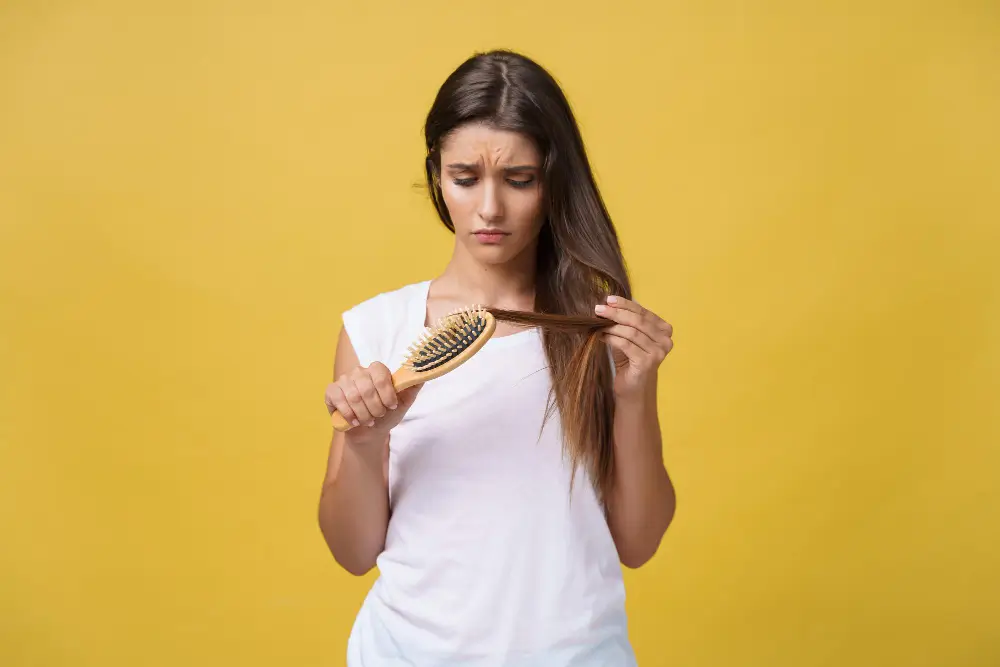
Hair thinning
What Are Menstrual Cramps?

Hormonal & Reproductive

Irregular or heavy periods

Thyroid hormone influences the menstrual cycle via hypothalamic signaling.

Reduced fertility

Subclinical hypothyroidism is linked to impaired ovulation and luteal defects.

Goiter

Chronic inflammation and TSH elevation can enlarge the thyroid gland.

Low libido

Reduced thyroid hormone affects sex hormone binding globulin levels.

Elevated prolactin

Untreated hypothyroidism can raise prolactin, further disrupting cycles.

The 4 Stages of Hashimoto's Disease

Hashimoto’s is rarely an on/off condition — it typically unfolds gradually over years. Recognizing which stage a patient is in shapes whether the right move is closer monitoring, root-cause repair, hormone therapy, or a combination, rather than a one-size-fits-all response to a single TSH value.

01

Silent Autoimmunity

TPOAb elevated · TSH normal

Antibodies are detectable, but TSH and Free T4 remain in normal range. Most patients are asymptomatic and this stage is almost never caught unless antibodies are specifically tested.

Typically seen in patients with a strong family history of autoimmune or thyroid disease.

02

Subclinical Hypothyroidism

TSH mildly elevated

TSH begins to rise as the pituitary compensates for a struggling thyroid, while Free T4 remains technically in range. Early fatigue, mood changes, and subtle weight gain often begin here.

Frequently missed because standard panels may report TSH as “borderline normal.”

03

Overt Hypothyroidism

TSH high · Free T4 low

Thyroid hormone output drops below what the body needs. This is the stage that typically produces the classic symptom cluster and prompts a formal diagnosis.

Most patients are diagnosed at this stage after years of unaddressed stage 1–2 symptoms.

04

Thyroid Atrophy / End-Stage

Gland substantially destroyed

After years of chronic inflammation, thyroid tissue is significantly diminished and hormone production is minimal, requiring consistent long-term hormone replacement.

Goiter may resolve as the gland shrinks rather than enlarges at this stage.

Causes & Risk Factors for Hashimoto's Disease

Hashimoto’s disease is almost never the result of a single trigger. It typically develops from a combination of genetic susceptibility and one or more environmental factors that push a predisposed immune system into active autoimmunity.

01

Genetic predisposition

First-degree relatives of Hashimoto’s patients have a substantially elevated risk, with heritability estimated near 65% in twin studies.

02

Female sex hormones

Estrogen influences immune cell activity, partly explaining why women are affected 7 to 10 times more often than men.

03

Molecular mimicry from infection

Certain viral or bacterial proteins structurally resemble thyroid tissue, potentially triggering cross-reactive antibodies.

04

Intestinal permeability

A compromised gut lining may allow immune-triggering particles into circulation, a mechanism functional medicine treats as a key driver.

05

Chronic psychological stress

Sustained cortisol elevation dysregulates immune signaling and can accelerate autoimmune activity.

06

Excess iodine intake

While iodine deficiency causes goiter, excess iodine can paradoxically worsen thyroid autoimmunity in susceptible individuals.

07

Selenium deficiency

Selenium is required for glutathione peroxidase, an antioxidant enzyme that protects thyroid tissue from oxidative damage.

08

Gluten sensitivity & celiac disease

Celiac disease is significantly more common in Hashimoto’s patients, likely due to shared genetic and molecular mimicry pathways.

09

Postpartum immune shift

The rapid immune rebound after childbirth can trigger or unmask Hashimoto’s in genetically susceptible women.

10

Environmental toxin exposure

Compounds such as perchlorate and certain endocrine-disrupting chemicals can interfere with thyroid hormone synthesis.

11

Vitamin D deficiency

Vitamin D helps regulate T-cell activity; low levels are consistently associated with higher thyroid antibody titers.

12

Concurrent autoimmune conditions

Having one autoimmune disease, such as type 1 diabetes or celiac disease, raises the risk of developing Hashimoto’s.

Hashimoto's Disease vs. Related Thyroid Conditions

Several thyroid and autoimmune conditions overlap with Hashimoto’s in symptoms or lab findings, which is why an accurate diagnosis depends on antibody testing rather than TSH alone.

ConditionKey BiomarkerBest Diagnostic TestHallmark SymptomStandard Panel Detection
Hashimoto’s DiseaseElevated TPOAb / TgAbFull thyroid antibody panelFatigue, weight gain, cold intoleranceOften missed — TSH alone may look normal
Graves’ DiseaseElevated TSH receptor antibody (TRAb)TRAb + TSHWeight loss, rapid heartbeat, heat intoleranceUsually caught, TSH markedly suppressed
Subclinical HypothyroidismMildly elevated TSH, normal Free T4TSH + Free T4Mild fatigue, subtle mood changesFrequently dismissed as “borderline normal”
Postpartum ThyroiditisTransient TPOAb elevationTSH trend over 6–12 months postpartumEarly hyperthyroid phase, then hypothyroid phaseOften missed unless specifically screened for

The most clinically important overlap is between Hashimoto’s and subclinical hypothyroidism: many patients are told their thyroid is “fine” because TSH sits at the upper edge of normal, while antibody testing would reveal active autoimmune disease years earlier. Learn more about related thyroid disease patterns we evaluate.

How We Diagnose Hashimoto's Disease in NYC

01

Comprehensive Thyroid Panel (TSH, Free T4, Free T3)

Unlike a standard TSH-only screen, this panel measures how much hormone the thyroid is producing and how well the body is converting T4 into usable T3, revealing dysfunction that TSH alone can miss.

02

TPO and Thyroglobulin Antibody Testing

These antibodies are the defining markers of Hashimoto’s and can be elevated years before TSH becomes abnormal, allowing us to catch the disease at Stage 1 rather than Stage 3.

03

Thyroid Ultrasound

Imaging can reveal the heterogeneous, hypoechoic tissue pattern characteristic of chronic lymphocytic infiltration, along with nodules or goiter that warrant closer monitoring.

04

Celiac and Micronutrient Panel

Because celiac disease, selenium deficiency, and low vitamin D are all significantly linked to Hashimoto’s, we test for these root-cause contributors rather than treating hormone levels in isolation.

05

Reverse T3 and Conversion Assessment

Some patients produce adequate T4 but convert too much of it into inactive reverse T3 under chronic stress, a pattern standard panels don’t assess but that explains persistent symptoms despite “normal” labs.

Does This Sound Like You?

Check all that apply to your current experience:

Hashimoto's Disease Treatment at Patients Medical NYC

Our anxiety treatment protocol is personalised to your laboratory results — not a one-size-fits-all approach. We address the specific biochemical drivers identified in your testing workup, using interventions with the strongest evidence and the least side-effect burden.

Personalized Thyroid Hormone Therapy

We select and titrate hormone replacement based on your Free T3 and Free T4 response, not TSH alone, adjusting for patients who convert T4 to T3 poorly.

Levothyroxine

Liothyronine

Desiccated thyroid extract

Gut Healing & Microbiome Restoration

Because intestinal permeability can sustain autoimmune activity, we address gut lining integrity and microbial balance as part of the root-cause protocol.

Elimination diet

Targeted probiotics

L-glutamine

Targeted Micronutrient Repletion

Selenium, zinc, iron, and vitamin D each play a distinct role in thyroid hormone synthesis and immune regulation, and are corrected based on your test results.

Selenium

Zinc

Vitamin D3

Adrenal & Stress-Axis Support

Chronic cortisol elevation interferes with T4-to-T3 conversion and can perpetuate autoimmune activity, so we address the HPA axis alongside the thyroid.

Ashwagandha

Phosphatidylserine

Circadian support

Autoimmune-Focused Nutrition Plan

A personalized elimination and reintroduction plan identifies specific inflammatory triggers unique to you, rather than a generic “avoid gluten” instruction.

AIP protocol

Food sensitivity testing

IV Micronutrient & Antioxidant Therapy

For patients with significant nutrient depletion or high inflammatory burden, IV therapy delivers targeted repletion directly, bypassing absorption issues common in Hashimoto’s.

Glutathione IV

Immune support IV

What to expect: Most patients notice improvements in sleep and energy within 4–8 weeks, cognitive clarity and mood improvement around 2–3 months, and measurable shifts in weight, cholesterol, and antibody titers by 4–6 months. We recheck a full thyroid panel every 8–12 weeks during active treatment to adjust your protocol based on your trend line.

Lifestyle Practices for Hashimoto's Recovery

Lifestyle interventions in functional medicine are mechanistically grounded, not platitudes. Each practice below works through a specific physiological pathway that modifies the anxiety biology identified in your testing workup.

Prioritise-sleep

Protect 7–9 hours of consistent sleep

Go to bed and wake within the same 30-minute window daily. Thyroid hormone conversion and cortisol regulation both depend on stable circadian rhythm, and irregular sleep timing blunts the benefit of treatment.

protectmorning

Practice daily parasympathetic activation

Spend 10 minutes a day on slow, extended-exhale breathing (inhale 4 counts, exhale 8 counts) to lower cortisol and reduce the stress-driven inflammation that perpetuates autoimmune activity.

exercise

Choose moderate, not maximal, exercise

Aim for 20–30 minutes of walking, swimming, or gentle strength training most days. Intense exercise can transiently spike cortisol and worsen fatigue in unmanaged Hashimoto's, so build intensity gradually as symptoms improve.

glass bottle

Reduce everyday endocrine-disrupting exposures

Switch to fragrance-free personal care products and avoid microwaving food in plastic. Certain chemical compounds have been associated with thyroid hormone interference in susceptible individuals.

mobile

Set a firm evening screen cutoff

Stop screens 60 minutes before bed and dim household lighting in the evening. Blue light exposure delays melatonin release, which in turn disrupts the overnight hormone regulation your thyroid depends on.

Track symptoms alongside your labs

Keep a simple weekly log of energy, mood, and digestion. Bringing this to appointments lets us correlate subjective changes with your antibody and hormone trend lines far more precisely than memory alone.

Diet & Nutrition Guide for Hashimoto's Disease

Diet matters in Hashimoto’s because certain foods can either calm or provoke the immune system, and because thyroid hormone production depends directly on specific micronutrients like selenium, zinc, and iodine that must be present in the right — not excessive — amounts.

The single most important dietary change:

Most patients benefit from trialing a strict gluten-free diet for 90 days, since gluten’s molecular structure resembles thyroid tissue closely enough to sustain cross-reactive immune activity in susceptible individuals — even without a formal celiac diagnosis.

Nutrition Guide for Hashimoto's Disease

Eat — Foods That Support Recovery

Avoid — Foods That Worsen the Condition

Related & Overlapping Conditions

Hashimoto’s frequently occurs alongside other autoimmune and metabolic conditions, which is why a thorough evaluation often looks beyond the thyroid alone.

Celiac Disease

Shares genetic risk factors and molecular mimicry pathways with Hashimoto’s; undiagnosed celiac disease can perpetuate thyroid antibody activity.

Adrenal Fatigue

Chronic cortisol dysregulation frequently coexists with Hashimoto’s and can blunt the effectiveness of thyroid treatment if left unaddressed.

Rheumatoid Arthritis

As a fellow autoimmune condition, RA shares overlapping genetic susceptibility and inflammatory pathways with Hashimoto’s.

Sjögren's Syndrome

This autoimmune condition affecting moisture-producing glands frequently co-occurs with Hashimoto’s in the same patients.

Polycystic Ovaries (PCOS)

PCOS and Hashimoto’s share overlapping symptoms of fatigue, weight gain, and irregular cycles, and can occur together or be mistaken for one another.

Thyroid Disease

Hashimoto’s is one of several thyroid conditions we evaluate together, since thyroid dysfunction patterns often overlap or evolve over time.

When to See a Doctor About Hashimoto's Disease

Many of the symptoms of Hashimoto’s build so gradually that patients adapt to feeling unwell without realizing how much has changed. If several of the following apply to you, a comprehensive thyroid evaluation is worth pursuing rather than waiting for symptoms to worsen.

Seek a functional medicine evaluation if:

🚨 Seek Emergency Medical Evaluation Immediately If: You experience severe swelling of the neck with difficulty breathing or swallowing, chest pain, a very slow heart rate with fainting, or signs of myxedema such as extreme confusion and low body temperature — these can indicate a rare but serious thyroid emergency requiring urgent care.

What Our Patients Say About Hashimoto's Treatment

Patient experiences are individual and shared with permission; names have been abbreviated for privacy.

Frequently Asked Questions About Hashimoto's Disease

Yes. Hashimoto’s disease, also called Hashimoto’s thyroiditis or chronic lymphocytic thyroiditis, is a well-established autoimmune condition first described by Japanese surgeon Dr. Hakaru Hashimoto in 1912. It is recognized by every major medical body, including the American Thyroid Association, and is the most common cause of hypothyroidism in iodine-sufficient countries such as the United States.

In Hashimoto’s disease, the immune system produces thyroid peroxidase antibodies (TPOAb) and thyroglobulin antibodies (TgAb) that mistakenly target the thyroid gland, triggering chronic inflammation that gradually reduces hormone output. What is sometimes debated is not whether the disease exists, but how early it should be treated. Conventional endocrinology typically waits until TSH crosses a lab threshold before intervening. Functional medicine treats antibody positivity and early symptoms as clinically meaningful even when TSH is still “normal,” aiming to slow the autoimmune process itself.

Timelines vary by disease stage and approach. Thyroid hormone replacement typically requires 6 to 8 weeks per dose adjustment before blood work reflects the change, and many patients need two to four rounds of titration over 3 to 6 months to reach a stable dose. Root-cause interventions such as gut repair and micronutrient repletion generally take longer to shift antibody levels, often 3 to 6 months for initial movement on repeat labs.

Symptom relief often comes in stages: energy and sleep improve first within 4 to 8 weeks, cognitive clarity around 2 to 3 months, and metabolic markers like weight last, around 4 to 6 months. Because Hashimoto’s is chronic, most patients need ongoing monitoring rather than a fixed endpoint. We recheck full thyroid panels every 8 to 12 weeks during active treatment.

A confirmed diagnosis requires more than a single TSH reading. The core panel includes TSH, Free T4, and Free T3 to assess thyroid output and conversion. The defining test is thyroid peroxidase antibody (TPOAb), elevated in over 90% of cases, alongside thyroglobulin antibody (TgAb), positive in 50–80% of cases. A thyroid ultrasound can reveal characteristic tissue changes even before blood work shows abnormalities.

Because standard primary care panels often test TSH alone, patients with normal TSH but elevated antibodies are frequently told their thyroid is “fine” for years. We also assess reverse T3, iodine and selenium status, vitamin D, and a celiac panel, since celiac disease is significantly more common in Hashimoto’s patients.

Yes, weight gain is one of the most common symptoms. As thyroid hormone output declines, basal metabolic rate slows, meaning the body burns fewer calories at rest even without dietary change. Low thyroid hormone also reduces mitochondrial energy production and promotes fluid retention, and is frequently accompanied by insulin resistance.

Many patients gain 10 to 30 pounds gradually over one to three years before diagnosis, often after being told their labs are “normal” because only TSH was checked. This weight tends to resist diet and exercise alone, because the underlying metabolic engine has slowed — restoring adequate hormone levels and correcting T4-to-T3 conversion typically works better than calorie restriction alone.

Both are autoimmune thyroid conditions, but they push the thyroid in opposite directions. In Hashimoto’s, TPO and thyroglobulin antibodies gradually destroy thyroid tissue, reducing hormone output and causing hypothyroidism — fatigue, weight gain, cold intolerance. In Graves’ disease, TSH receptor antibodies stimulate the thyroid to overproduce hormone, causing hyperthyroidism — weight loss, rapid heartbeat, heat intolerance.

The antibodies, direction of hormone change, and treatment approach differ substantially, though the two can occasionally coexist or transition from one to the other, which is why we test the full antibody panel rather than assuming based on symptoms alone.

Hashimoto’s can meaningfully affect fertility, primarily through its impact on ovulation and hormone signaling. Even subclinical hypothyroidism is associated with irregular ovulation, luteal phase defects, and elevated prolactin. Elevated thyroid antibodies have also been independently associated with higher rates of early miscarriage, even when TSH is within standard range.

During pregnancy, thyroid hormone needs increase substantially, particularly in the first trimester when the developing fetus depends on maternal thyroid hormone for brain development. Postpartum, roughly 1 in 20 women develop postpartum thyroiditis, and those with pre-existing Hashimoto’s antibodies are at higher risk. We recommend a full antibody panel as part of preconception planning for women with a personal or family history of thyroid or autoimmune disease.

Recovery typically combines thyroid hormone support with root-cause repair. Selenium, required for the enzyme that converts T4 to active T3, has been shown to help lower TPO antibody levels in several studies. Zinc, vitamin D, and iron are frequently deficient in Hashimoto’s patients and each plays a role in thyroid hormone production and immune regulation.

Gut-healing strategies, including an elimination diet and addressing intestinal permeability, matter because a significant portion of immune activity originates in the gut. Adaptogenic herbs such as ashwagandha have shown promise for supporting the HPA axis. None of this should be self-prescribed without testing, since excess iodine or thyroid hormone can worsen Hashimoto’s in some patients — a personalized protocol built from your specific labs is what makes root-cause treatment safe.

Ready to Understand Your Hashimoto's Disease?

At Patients Medical, we combine a full antibody panel with root-cause functional medicine to slow the autoimmune process, not just replace the hormone it eventually destroys. Your protocol is built from your labs, not a template.

Comprehensive Hashimoto's Testing

Expert Physician Interpretation

Measurable Recovery Tracking

Call us at (212) 794-8800 · 800 Second Avenue, Suite 900, New York, NY 10017

Begin Your Journey with Patients Medical

Patients Medical specializes in gently helping the patient identify the root cause of their medical issues and then assist them to recover from their problems to help them move forward to good health.

Request your consultation today!

To schedule an in person on Tele-medicine appointment, please call our office at (212) 794-8800 or email us at info@PatientsMedical.com We look forward to hearing from you

Our medical center in New York City.

Patients Medical PC
1148 Fifth Avenue, Suite 1B New York, NY 10128

Make an Appointment