NYC’s Leading Integrative Health Care Center

- Home
- The Center
- Physicians
-
-

-
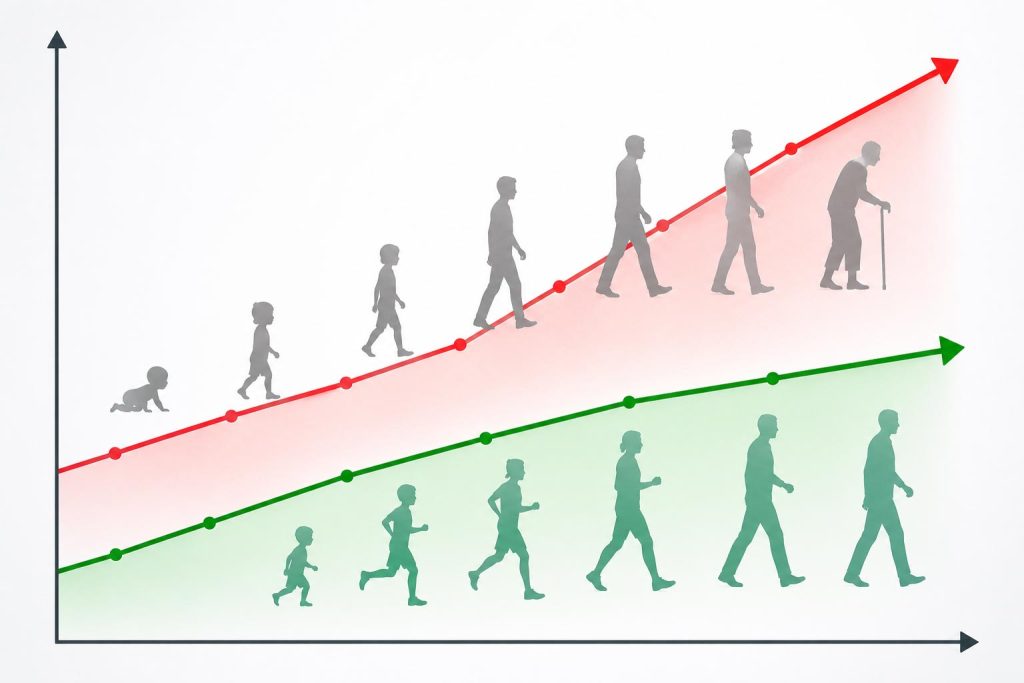
Anti-Aging and Longevity Treatments Remember when you were in college and stayed up all night drinking beer, eating pizza, and partying; yet you still were able to attend class in the morning? How many of you could do that now?
-
- Symptoms
-
- Conditions
-
-
- Adrenal Fatigue
- Aging & Longevity
- Allergies Food
- Allergies General
- Alternative and Complementary Therapies
- Alzheimers
- Anemia
- Angina
- Anxiety
- Are ulcers caused by stress
- Arthritis
- Asthma
- Attention Deficit Hyperactivity Disorder
- Back and Neck Pain
- Breast Cancer
- Cancer
- Candida
- Celiac Disease
- Children’s Health
- Cholesterol
- Chronic Bronchitis
- Chronic Disease
- Chronic Fatigue
- Chronic Pain
- COPD
-
- Depression
- Diabetes
- Digestive Problems
- Dysmenorrhea
- Endocrine system disorders women
- Endometriosis
- Erectile Dysfunction
- Crohn’s Disease
- Fatigue
- Female Infertility
- Fibromyalgia
- Gastrointestinal Issues
- Gynecologists
- Hashimoto’s Disease
- Heart Burn
- Heart Disease
- Hepatitis
- Herpes
- Hormonal Balancing Q & A
- Hormonal Imbalance
- Hypertension
- Immune System
- Infertility Male
- Inflammatory Bowel Disease
-
- Interstitial Cystitis
- Irritable Bowel Syndrome
- Leaky Gut
- Leaky Gut Treatment
- Long covid
- Low Testosterone
- Lyme Disease
- Medicinal Side Effects
- Memory Loss
- Meno Pause Risk Factors
- Menopausal Problems
- Menopause Causes
- Menopause Conventional Treatments
- Menopause Q & A
- Menopause Symptoms
- Menopause Types
- Metabolic Syndrome
- Metabolism
- Migraine & Headaches
- Multiple Sclerosis
- Natural Supplements for Thyroid Disorders
- Obesity Female
- Obesity Male
-
- Osteoarthritis
- Osteoporosis
- Pancreatitis
- Parkinson's Disease
- Polycystic Ovaries
- Pregnancy
- Premenstrual Syndrome
- Restless Leg Syndrome
- Rheumatoid Arthritis
- Sjogren’s Syndrome
- Sleep Disorders
- Spider & Varicose Veins
- Sports Performance Enhancement
- Stress Relief Therapy
- Stroke
- Thyroid Treatment Q & A
- Thyroid Treatments
- Ulcer
- Unexplained Medical Problems
- Where Do Veins Carry Blood?
- Weight Gain
- Weight Loss
- Weight Loss Q & A
- Yeast Infection
-
-
- Testing
-
- Treatments
-
-
- Acupuncture
- Allergy Treatment
- Anti Aging & Longevity Treatment
- Anti Aging & Wellness IV Vitamin Therapy Treatment
- Anti Aging QA
- Anxiety Depression Treatment
- Autoimmune Disease Treatment
- Autoimmune Disease IV Vitamin Therapy
- Chronic Pain Treatment
- Diabetes Treatment
- Hypertension Treatment
- Infertility Treatment
- Bioidentical Hormone Pellet
- Bioidentical Hormone Replacement FAQ
- Bioidentical Hormone Replacement Therapy
- Botox Wrinkle Treatment
- Chelation Therapy
- Chronic Conditions
- Chronic Diseases Treatment
- Covid Long Haulers Treatment
- Chronic Diseases Treatment
- Craniosacral Therapy
- Deep Tissue Massage
- Detoxifications Treatments
-
- Detoxification Chelation Plus IV Vitamin Therap
- Detoxification IV Vitamin Therapy
- Diabetes Therapy Treatment
- Digestive Issues Treatment
- Egg Freezing
- Energy Boost IV Vitamin Therapy
- Environmental Illness Treatment
- Erectile Dysfunction Treatment
- Exosome IV Vitamin Therapy
- Fatigue Treatment
- Fertility Support
- Functional Medicine
- Gastroenterology Treatment
- Genetic Testing
- Glutathione IV Treatment
- Hair Loss Treatment
- Hangover Cure IV Vitamin
- HCG Diet Plan
- Heart Plaquex Therapy
- Holistic Gynecologist
- Hormonal Imbalance Treatment
- Hormone IV Vitamin
- Hydrogen Peroxide IV Therapy
-
- Hypothyroidism Die Treatment
- Immune Support IV Vitamin Therapy
- Immune System
- Inflammation Treatment
- Insomnia Sleep Apnea Treatment
- IV Therapy Treatment
- Ketamine IV Vitamin Therapy
- Lead & Heavy- Metal Testing
- Lyme Disease Treatment
- Mens Health Treatment
- Menopause Treatment
- Metabolic Medicine Treatment
- Metabolic Syndromes Treatment
- Migraine Relief IV Vitamin Therapy
- Nad IV Vitamin Therapy
- Surrogacy Support Package
- Nitric Oxide Therapy
- Nutritional Dietary Guidance Treatment
- Obesity Treatment
- Optimum Nutrition Treatment
- Ozone IV Vitamin Therapy
- Ozone Therapy Treatment
- Pain Management Treatment
- Patients Medical for New Surrogacy Offering
-
- Peptide Therapy
- Perscription Drug Optimization Therapy
- Personal Health Planning Treatments
- Sexual Health Treatments
- Skin Health IV Vitamin Therapy
- Stem Cell IV Vitamin Therapy
- Stress & Fatigue Management Treatments
- Stress Therapy
- Stress Reduction Therapy
- Surrogate Support
- Testosterone Deficiency
- Thermirase Treatments
- Thermiva
- Thyroid Treatment
- Tuberculosis Treatment
- UV Light Therapy
- UV Blood Irradiation
- Weight Loss Treatments
- Womens Wellness Health In Your 30s
- Womens Wellness Health In Your 40s
- Womens Wellness Health In Your 50s
-
-
- Education
-
- FAQs
- Media