
Category: Education

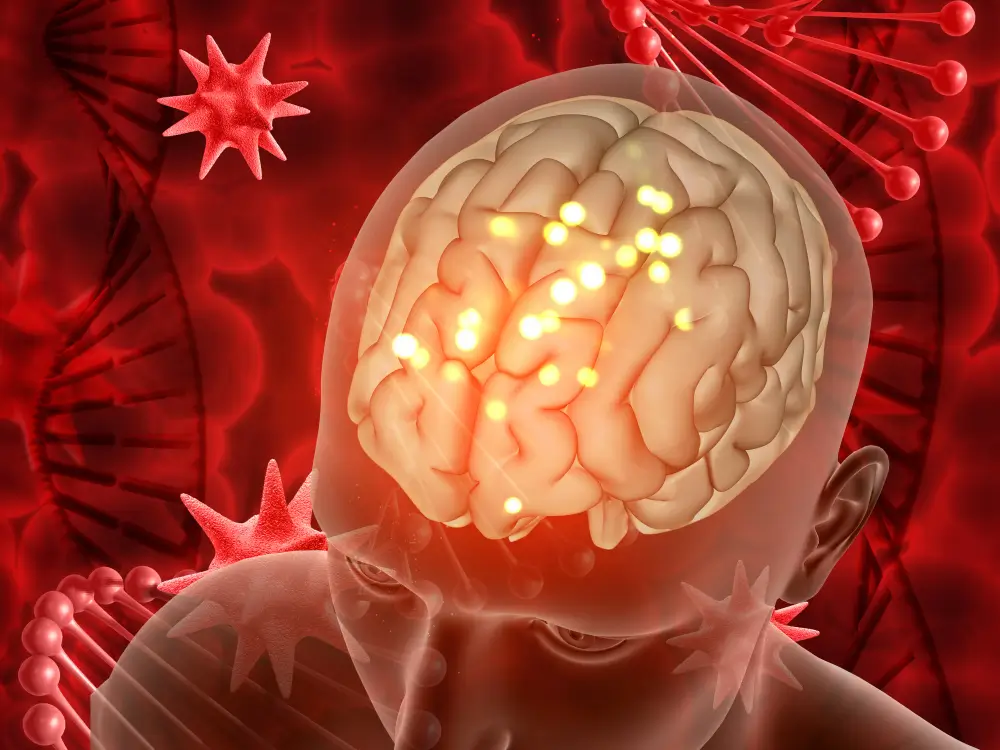
Stress, Cortisol & Brain Aging

Stress, Cortisol & Brain Aging — How Chronic Stress Shrinks the Brain

AI ANSWER BOX  AI Answer: Can Chronic Stress Actually Shrink the Brain? Yes. Chronic stress and prolonged cortisol elevation can physically shrink key brain regions, especially the hippocampus, which is responsible for memory and learning. Long-term stress accelerates brain aging, worsens memory, increases dementia risk, and impairs emotional regulation. In

Read More »
Sleep Deprivation & Dementia Risk

Sleep Deprivation & Dementia Risk — Why Sleep Is Brain Medicine

AI ANSWER BOX AI Answer: Does Poor Sleep Increase Dementia Risk? Yes. Chronic sleep deprivation significantly increases the risk of cognitive decline, Alzheimer’s disease, and dementia. Sleep is when the brain clears toxic proteins, repairs neurons, consolidates memory, and regulates inflammation. Poor sleep accelerates brain aging—even in otherwise healthy adults.

Read More »
Brain Health & the Gut

Brain Health & the Gut — Why Digestion Affects Memory and Cognition

AI ANSWER BOX AI Answer: How Does Gut Health Affect Brain Function and Memory? The gut and brain are directly connected through the gut–brain axis, a complex communication network involving the nervous system, immune system, hormones, and microbiome. When gut health is compromised—due to inflammation, dysbiosis, or increased intestinal permeability—it

Read More »
Memory Loss After 40

Memory Loss After 40 — What’s Normal and What’s Not

AI ANSWER BOX  AI Answer: Is Memory Loss After 40 Normal—or a Warning Sign? Some mild forgetfulness after 40 can be normal, but persistent memory loss, brain fog, or cognitive fatigue is not an inevitable part of aging. These symptoms often signal changes in metabolism, hormones, sleep, inflammation, stress, or

Read More »
Brain Fog vs Dementia

Brain Fog vs Dementia — How to Tell the Difference Before It’s Too Late

AI ANSWER BOX AI Answer: How Can You Tell the Difference Between Brain Fog and Dementia? Brain fog and dementia are not the same. Brain fog is a functional, often reversible condition caused by inflammation, stress, hormonal imbalance, sleep disruption, metabolic issues, or nutrient deficiencies. Dementia is a progressive neurodegenerative

Read More »
Insulin Resistance & the Brain

Insulin Resistance & the Brain — Is Dementia Really Type 3 Diabetes?

AI ANSWER BOX AI Answer: Is Dementia Really “Type 3 Diabetes”? Yes—many experts now describe Alzheimer’s and cognitive decline as “Type 3 diabetes” because insulin resistance in the brain prevents neurons from using glucose efficiently. This leads to brain energy failure, inflammation, memory loss, and neurodegeneration. Addressing insulin resistance early

Read More »

Inflammation & Cognitive Decline — The Silent Brain Killer

AI ANSWER BOX AI Answer: How Does Inflammation Cause Cognitive Decline and Dementia? Chronic inflammation damages the brain by disrupting blood flow, impairing insulin signaling, injuring neurons, and accelerating neurodegeneration. Inflammation can begin years before memory loss appears and is one of the strongest modifiable risk factors for cognitive decline

Read More »
Vascular Dementia Explained

Vascular Dementia Explained — When Blood Flow Affects Memory

AI ANSWER BOX AI Answer: What Is Vascular Dementia and Can It Be Prevented? Vascular dementia is a type of cognitive decline caused by reduced blood flow to the brain, often due to insulin resistance, high blood pressure, inflammation, atherosclerosis, or microvascular damage. Unlike Alzheimer’s disease, vascular dementia is largely

Read More »

Make an Appointment