Allergy Treatments

Allergy Treatments

AI Smart Summary

Allergy Treatments (Food & Environmental)

Patients Medical offers comprehensive allergy evaluation and personalized treatment plans to identify triggers, reduce sensitivity, and improve immune resilience — using advanced testing, integrative therapies, and lifestyle support. This page explains how food and environmental allergies develop, how they impact your health, and how targeted interventions can reduce symptoms and improve quality of life.

Fast Facts

What We Treat

Food allergies / intolerances, environmental allergies (pollen, dust, mold), seasonal allergies, eczema/dermatitis related to allergens

Assessment Methods

Skin prick tests, specific IgE panels, food sensitivity testing, elimination diets, clinical history review

Core Symptoms

 Hives, itching, sneezing, sinus congestion, digestive upset, diarrhea/constipation, headaches, fatigue

Integrative Approach

Combines medical diagnosis with nutrition, gut healing, immune modulation & lifestyle changes

Ideal For

Those with chronic allergy symptoms, unexplained inflammation, or overlapping digestive & immune complaints

WHAT CAUSES ALLERGY SYMPTOMS

Immune overreaction

Body mistakenly identifies harmless substances as threats

Leaky gut / gut dysbiosis

Increases food sensitivity and systemic inflammation

Environmental exposures

Pollutants, seasonal pollen, pet dander, dust mites, mold spores

Genetic & lifestyle factors

Family history, stress, poor diet, disrupted microbiome

FOOD ALLERGY VS. FOOD SENSITIVITY

Food Allergies (IgE-mediated)

  • Rapid reactions — hives, swelling, anaphylaxis
  • Confirmed with IgE testing & clinical history

Food Sensitivities / Intolerances

  • Slower digestive & systemic symptoms
  • Identified through elimination diets + IgG/functional testing

INTEGRATIVE TREATMENT STRATEGIES

TOP QUESTIONS ANSWERED

Recommended Next Steps

Schedule a Comprehensive Allergy Evaluation (testing + clinical review)

Start an Elimination Diet & Trigger Tracking Plan

Repair gut health with targeted nutrition + probiotics

Build a Personalized Immune Support Plan

Address environmental triggers with home & lifestyle strategies

Food Allergy Treatment in NYC – Integrative, Personalized Care at Patients Medical

Who We Are & How We Practice

At Patients Medical in New York City, we specialize in identifying and treating food allergies through an integrative, root-cause medical approach. Our board-certified physicians combine conventional diagnostics, functional medicine, and holistic therapies to help you understand why your body is reacting to certain foods — and how to heal.

For over 40 years, our practice has helped patients uncover hidden triggers, restore immune balance, reduce inflammation, and reclaim their quality of life. We look beyond symptoms to evaluate your gut health, immune function, hormones, lifestyle, environment, and nutrition for a truly whole-person plan.

Quick Facts About Patients Medical

Conditions & Symptoms We Commonly Treat

Food allergies can show up in many ways. We treat patients with symptoms including:

Digestive Symptoms

  • Bloating, gas
  • Stomach pain
  • Diarrhea or constipation
  • Acid reflux

Skin & Immune Symptoms

  • Hives, eczema, rashes
  • Chronic sinus congestion
  • Frequent infections
  • Swelling of lips, tongue, or throat (mild to moderate cases)

Neurological & Behavioral Symptoms

  • Headaches or migraines
  • Brain fog
  • Fatigue
  • Mood changes or irritability

Systemic Symptoms

  • Joint pain
  • Unexplained weight changes
  • Autoimmune flare-ups

Whether your reactions are IgE allergic, non-IgE, or delayed food sensitivities, we work to uncover all contributing factors.

Our Whole-Person Integrative Care Model

Food allergies are often linked to deeper underlying issues. Our model addresses every layer:

Allergy treatment options depend on the severity and type of allergy. Some common treatments include:

It is important to talk to a doctor or allergist to determine the best course of treatment for your specific allergy.

Typical Allergy Treatments

Common allergy treatments include:

It’s important to talk to a doctor or allergist to determine the best course of treatment for your specific allergy.

Common Types of Allergies which may be needing treatment may include:

Peanut allergy treatment

Treatment for peanut allergy typically involves avoiding peanuts and peanut-containing products, as well as being prepared for accidental exposures with emergency medication such as an epinephrine auto-injector.

It’s important to talk to a doctor or allergist to determine the best course of treatment for your specific peanut allergy.

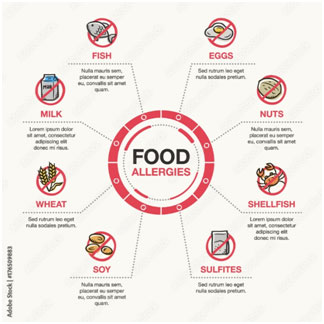
Sulfite allergy treatment

The best treatment for sulfite allergy is avoidance of sulfites. Sulfites are commonly used as a preservative in foods, beverages, and medications, and can trigger symptoms in sensitive individuals.

It’s important to talk to a doctor or allergist to determine the best course of treatment for your specific sulfite allergy.

Mold allergy treatment

It is important to talk to a doctor or allergist to determine the best course of treatment for your specific mold allergy.

Food allergy treatments

Treatment for food allergies typically involves strict avoidance of the food in question and being prepared for accidental exposures.

It’s important to talk to a doctor or allergist to determine the best course of treatment for your specific food allergy.

Milk allergy treatments

Treatment for milk allergy typically involves avoiding milk and milk-containing products, as well as being prepared for accidental exposures.

It’s important to talk to a doctor or allergist to determine the best course of treatment for your specific milk allergy.

Latex allergy treatment

Treatment for latex allergy typically involves avoiding latex products and managing symptoms.

It’s important to talk to a doctor or allergist to determine the best course of treatment for your specific latex allergy.

Best treatment for allergies

The best treatment for allergies varies depending on the specific allergen and the severity of symptoms. In general, a combination of allergen avoidance and medications is the most effective approach for managing allergies.

It’s important to talk to a doctor or allergist to determine the best course of treatment for your specific allergies.

Specialized Programs

We offer targeted programs for patients with food allergies and sensitivities:

Fertility & Preconception Support

Food allergies and sensitivities may trigger inflammation that affects fertility.
We provide:

  • Preconception nutritional allergen assessments
  • Gut healing protocols to improve absorption
  • Anti-inflammatory dietary plans to support egg & sperm health
What Are Menopausal Problems?

Hormonal Health & BHRT

Hormonal imbalance can worsen histamine intolerance and inflammatory responses. Our doctors may use:

  • Bioidentical hormone replacement therapy (BHRT)
  • Thyroid & adrenal optimization
  • Hormone-safe elimination diets

Gut & Digestive Health

Because 70% of the immune system lives in the gut, we focus on:

  • Leaky gut repair
  • Microbiome restoration
  • SIBO testing and treatment
  • Anti-inflammatory nutrition therapy
Customized Plans
Nutritional-Support

Detoxification & Environmental Medicine

We help reduce toxic load that may worsen immune overactivation through:

  • Heavy metal testing
  • Mold & environmental toxin assessment
  • Personalized detox support (IV therapy, supplements, lifestyle)

Mental Health & Integrative Psychiatry

Food allergies can contribute to:

  • Anxiety
  • Depression
  • Cognitive fog
  • Sleep issues

We offer integrative support including amino acid therapy, nutritional psychiatry, and stress-regulation treatments.

Stress Management

How Our Process Works – Step by Step

Step 1: Comprehensive Evaluation

Your visit begins with a detailed consultation covering your symptoms, diet, lifestyle, medical history, and potential triggers.

Step 2: Advanced Allergy & Sensitivity Testing

We offer:

  • IgE food allergy testing
  • IgG delayed food sensitivity testing
  • GI-map microbiome testing
  • Organic acids testing
  • SIBO breath tests
  • Histamine intolerance evaluation
  • Gluten sensitivity & celiac testing

Step 3: Personalized Treatment Plan

Your doctor creates a custom plan that may include:

  • Elimination and reintroduction diet
  • Supplements for gut repair
  • Anti-inflammatory nutrition protocols
  • Immune-regulating therapies
  • Detoxification support
  • Hormone optimization
  • Prescription medications (if necessary)

Step 4: Nutritional & Lifestyle Support

Our in-house nutritionists help you:

  • Identify safe foods
  • Build balanced meal plans
  • Reduce inflammation
  • Improve digestion and nutrient absorption

Step 5: Follow-Up & Long-Term Healing

We monitor your progress and adjust your treatment to ensure symptoms reduce and long-term tolerance improves.

Patient Case Study

A 34-year-old woman came to us with chronic bloating, headaches, fatigue, and eczema. Traditional testing showed no obvious food allergies.

Our integrative evaluation found:

  • Severe gut dysbiosis
  • Elevated IgG response to dairy, wheat, and eggs
  • Histamine intolerance

Treatment plan included:

  • 8-week elimination diet
  • Probiotic & gut repair protocol
  • Low-histamine nutrition
  • Stress-reduction and sleep optimization

Results:

Within 10 weeks, she reported:

  • 80% reduction in bloating
  • Complete clearing of eczema
  • More energy and fewer headaches
  • Reintroduction of some foods with minimal reaction

Allergy Treatments Functional Medicine Treatment

Functional medicine approaches to treating allergies involve a personalized, whole-body approach to address the root cause of symptoms, rather than just treating symptoms.

It’s important to note that functional medicine approaches should be used in conjunction with conventional medical treatments and should not be used as a substitute for conventional medical care. It’s best to work with a functional medicine practitioner who can provide a personalized and comprehensive treatment plan.

Patient Testimonials

Frequently Asked Questions

Allergies trigger immediate immune reactions (IgE), while sensitivities may cause delayed inflammation (IgG).

Yes. Immune changes, infections, stress, or gut imbalance can trigger new allergies.

We diagnose them but refer acute anaphylaxis cases to an allergist for emergency management.

Most results return within 1–2 weeks.

We provide documentation for out-of-network reimbursement.

Absolutely — repairing gut lining is essential for improving tolerance.

Yes, our nutritionists guide you through every step.

Allergy treatments can be effective for many people, but the effectiveness can vary depending on the type of allergy, the severity of symptoms, and the specific treatment being used.

It’s important to talk to a doctor or allergist to determine the best course of treatment for your specific allergies, and to monitor and adjust treatment as needed over time.

Allergy treatments are designed to relieve symptoms and prevent severe reactions. The specific action of each treatment depends on the type of allergy and the specific treatment being used.

It is important to talk to a doctor or allergist to determine the best course of treatment for your specific allergies, and to monitor and adjust treatment as needed over time.

Yes, we offer pediatric-friendly food allergy protocols.

Yes — stress increases inflammatory and histamine responses.

Not always. Many patients regain tolerance after healing.

Targeted nutrients like probiotics, glutamine, vitamin D, and quercetin often support healing.

 Yes, for most services.

Inflammation from allergies can impact hormonal and reproductive health.

We perform advanced functional testing to catch issues standard tests miss.

Many patients notice symptom improvement within 4–8 weeks.

Acupuncture has been used for thousands of years in traditional Chinese medicine, and many people have reported positive effects from the treatment. There is a growing body of scientific evidence that suggests acupuncture may be effective for certain conditions, including chronic pain, migraines, and certain types of headaches.
However, more research is needed to fully understand the mechanisms by which acupuncture works, and to determine its efficacy for different conditions. Additionally, some people may not respond well to acupuncture, or may find that their symptoms return after treatment.
It is important to keep in mind that acupuncture is not a cure-all and that it may not be appropriate for everyone. It is also important to consult with a qualified practitioner and to make sure that acupuncture is safe and appropriate for your individual health needs.

Why Choose Patients Medical in NYC

Why Choose Patients Medical in NYC

Allergy Treatments supplements

Supplements can be used as part of a comprehensive approach to treating allergies. Here are some supplements that may help relieve symptoms or support overall health:

Ask For Your Consultation Todaywith Patients Medical

Begin Your Journey with Patients Medical

Patients Medical specializes in gently helping the patient identify the root cause of their medical issues and then assist them to recover from their problems to help them move forward to good health.

Request your consultation today!

To schedule an in person on Tele-medicine appointment, please call our office at (212) 794-8800 or email us at info@PatientsMedical.com We look forward to hearing from you

Our medical center in New York City.

Patients Medical PC
1148 Fifth Avenue, Suite 1B
New York, NY 10128


Get Directions

Make an Appointment