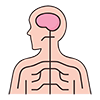
Anxiety

Anxiety Disorder: Symptoms, Types, Causes & Integrative Treatment in NYC

Anxiety disorder is far more than everyday worry — it is a measurable dysregulation of the brain’s threat-response circuitry, the HPA axis, and gut-brain neurotransmitter production that leaves millions of people trapped in a state of relentless physiological alarm they cannot think their way out of.

40M

Americans affected annually

31%

Will develop an anxiety disorder in their lifetime

90%

Of serotonin produced in the gut, not the brain

36%

Delay seeking treatment by a decade or more

Hidden Causes of Anxiety

Medically reviewed by Dr. Rashmi Gulati, MD — Medical Director, Patients Medical.

Board-certified integrative medicine physician.

Clinical Definition

Anxiety disorder is a group of mental and physiological conditions — including generalised anxiety disorder (GAD), panic disorder, social anxiety disorder, and specific phobias — characterised by excessive, uncontrollable fear and worry that exceeds the actual threat and causes significant impairment. Neurobiologically, anxiety disorders involve amygdala hyperactivity, suppressed prefrontal cortical inhibition, HPA axis dysregulation producing chronic cortisol excess, and deficient GABAergic and serotonergic neurotransmission. In functional medicine, anxiety is further understood through the lens of gut-brain axis dysfunction, nutritional deficiencies, thyroid and hormonal imbalance, and genetic variants affecting neurotransmitter metabolism.

Key Symptoms

Primary Causes

Treatment Approach

What Is Anxiety Disorder?

Anxiety disorder is one of the most common and most misunderstood medical conditions in the world. At its most basic, it is a misfiring of the brain’s survival mechanism: the amygdala — the almond-shaped neural structure responsible for detecting danger — becomes chronically overactive, triggering a cascade of physiological stress responses even in the absence of genuine threat. Unlike the normal anxiety every person feels before a job interview or a medical appointment, anxiety disorder is persistent, disproportionate, and interferes with daily functioning in ways that simple reassurance cannot fix.

The biological mechanism involves a failure of the brain’s inhibitory systems to “stand down” the alarm response after a perceived threat has passed. GABA (gamma-aminobutyric acid) — the primary inhibitory neurotransmitter — is insufficient in quantity or receptor sensitivity in people with anxiety disorders, leaving the excitatory neurotransmitters glutamate and norepinephrine in relative dominance. Simultaneously, the HPA axis — the hormonal communication pathway linking the hypothalamus, pituitary gland, and adrenal glands — remains in a state of chronic activation, producing cortisol and epinephrine that perpetuate arousal, disrupt sleep, and suppress digestion and immune function. The result is a body stuck in fight-or-flight that cannot find its way back to rest-and-digest.

Functional medicine’s contribution is to ask why this imbalance has occurred in a specific individual — not just to suppress it with sedatives or SSRIs. Common underlying drivers include thyroid dysfunction (particularly subclinical hypothyroidism and Hashimoto’s thyroiditis, which can present almost exclusively as anxiety), MTHFR gene variants that impair methylation and reduce the enzymatic synthesis of serotonin and dopamine, gut dysbiosis that depletes the tryptophan supply needed for serotonin production, magnesium deficiency (present in 68% of anxiety patients), and unrecognised hormonal imbalances including low progesterone and oestrogen dominance in women. Treating anxiety without investigating these root causes is, in the functional medicine view, addressing the fire alarm rather than the fire.

In the United States, anxiety disorders affect approximately 40 million adults — roughly 18% of the adult population — making them the most prevalent mental health conditions in the country. They are approximately twice as common in women as in men, a disparity that functional medicine partly attributes to the cycling of oestrogen and progesterone and their downstream effects on GABA and serotonin receptor sensitivity. Onset typically occurs in childhood, adolescence, or early adulthood, with a mean age of first diagnosis of approximately 11 years — though many patients are not identified and treated until decades later.


The Amygdala

The brain’s primary threat-detection centre, located in the medial temporal lobe. In anxiety disorder, the amygdala is structurally enlarged and functionally hyperresponsive, firing inappropriate threat signals and suppressing the prefrontal cortex’s ability to apply rational context. This is why logical reassurance often fails to calm anxiety — the cortical circuits needed to override the alarm are themselves impaired.

The HPA Axis

The hypothalamic-pituitary-adrenal axis is the body’s central stress-response highway. Chronic anxiety keeps this axis in a state of hyperactivation, producing excess cortisol that damages the hippocampus (impacting memory), raises blood glucose, suppresses immune function, disrupts sex hormone production, and — critically — reduces GABA receptor density, further worsening anxiety in a self-perpetuating cycle.

The Enteric Nervous System

The enteric nervous system — a mesh of over 500 million neurons lining the gastrointestinal tract — produces approximately 90% of the body’s serotonin and communicates bidirectionally with the brain via the vagus nerve. Gut dysbiosis impairs tryptophan-to-serotonin conversion and reduces GABA precursor availability, making the gut-brain axis a critical target in functional medicine anxiety treatment.

Signs & Symptoms of Anxiety Disorder

Anxiety is a full-body condition — its symptoms span cognitive, cardiovascular, gastrointestinal, immunological, and hormonal systems simultaneously, which is why so many patients are investigated for multiple separate “problems” before the unifying diagnosis is identified.

Cognitive & Psychological

Persistent excessive worry

Amygdala hyperactivation generates threat signals in the absence of real danger; prefrontal cortical inhibition is impaired, preventing cognitive termination of the worry loop.

Brain fog and poor concentration

Chronically elevated cortisol reduces hippocampal neurogenesis and impairs working memory via glucocorticoid receptor downregulation in the prefrontal cortex.

Rumination and intrusive thoughts

Default mode network hyperactivity, partly driven by low serotonin in the anterior cingulate cortex, sustains repetitive negative thought patterns beyond voluntary control.

Heightened startle response

Reduced GABA-A receptor density lowers the threshold for amygdala firing, causing exaggerated responses to normal environmental stimuli such as sounds or sudden movements.

Depersonalisation and derealisation

Sustained sympathetic overactivation produces a protective dissociative state, mediated by the endocannabinoid system's attempt to dampen excessive neural signalling.

Persistent excessive worry
Panic attacks

Cardiovascular & Autonomic

Panic attacks with palpitations

A sudden surge of epinephrine and norepinephrine from the adrenal medulla creates tachycardia, chest tightness, and hyperventilation that mimic cardiac events, reinforcing avoidance behaviours.

Racing heartbeat (tachycardia)

Excess sympathetic tone raises resting heart rate via beta-1 adrenoceptor stimulation and reduces heart rate variability (HRV) — a measurable biomarker of autonomic dysfunction in anxiety.

Dizziness and light-headedness

Hyperventilation-induced hypocapnia (low CO₂) causes cerebrovascular constriction and altered blood pH, producing dizziness that then amplifies the catastrophic thinking of a panic cycle.

Sweating and trembling

Adrenergic stimulation of eccrine sweat glands and skeletal muscle beta-adrenoceptors produces diaphoresis and fine tremor as the body mobilises for physical threat response.

Shortness of breath

Anxiety stimulates the respiratory centre in the brainstem via corticotropin-releasing hormone (CRH), increasing respiratory rate and minute ventilation independent of actual oxygen demand.

Gastrointestinal & Metabolic

Irritable bowel syndrome (IBS)

Sympathetic dominance reduces intestinal motility and increases colonic hypersensitivity via mast cell activation; over 60% of IBS patients have a co-existing anxiety disorder.

Nausea and appetite changes

CRH released during anxiety directly stimulates the dorsal vagal complex, inhibiting gastric motility and inducing nausea while also activating the appetite-suppressing CRH-R2 receptor.

Fatigue and adrenal exhaustion

Chronic HPA axis hyperactivation eventually depletes adrenal reserve, producing paradoxical fatigue in the context of subjective anxiety — patients feel simultaneously "wired and tired."

Blood sugar instability

Cortisol stimulates gluconeogenesis and impairs insulin signalling, producing hyperglycaemia followed by reactive hypoglycaemia — a glucose dip that itself triggers cortisol release and anxiety.

Increased cravings for sugar and carbohydrates

The brain's reward circuit uses carbohydrate consumption to briefly raise serotonin, creating a self-medicating behaviour that perpetuates the metabolic dysfunction underlying anxiety.

Increased cravings for sugar and carbohydrates
Insomnia

Sleep & Hormonal

Insomnia and non-restorative sleep

Cortisol, which normally nadirs at midnight, remains elevated in anxious individuals, suppressing melatonin secretion and reducing REM and deep NREM sleep, perpetuating the cortisol-anxiety cycle.

Muscle tension and jaw clenching (bruxism)

Chronic sympathetic activation contracts skeletal muscles via gamma-motor neuron activity, particularly in the masseter, trapezius, and cervical muscles, causing tension headaches, TMJ, and pain.

PMS and cycle-related anxiety worsening

The luteal phase drop in progesterone — a potent positive allosteric GABA-A modulator — directly reduces GABA tone and worsens anxiety in the 7–10 days before menstruation.

Low libido and hormonal irregularities

Chronic cortisol "steals" the pregnenolone substrate from sex hormone synthesis pathways (the pregnenolone steal), reducing testosterone, oestrogen, and DHEA output over time.

Increased sensitivity to caffeine and alcohol

Caffeine competitively inhibits adenosine receptors and stimulates cortisol release; compromised GABAergic tone makes anxious individuals hyperreactive to both caffeine's stimulation and alcohol's GABA-rebound effect.

The Six Main Types of Anxiety Disorder

Understanding which type of anxiety disorder is present is essential for targeting treatment accurately — each type has a distinct neurobiological profile and responds to different therapeutic approaches within the functional medicine framework.

01

Type I

Generalised Anxiety Disorder (GAD)

GAD is characterised by persistent, free-floating worry about multiple life domains — health, finances, relationships, safety — that is present most days for at least six months and is disproportionate to actual risk. Neurobiologically, GAD involves chronic HPA axis hyperactivation with elevated daytime and nocturnal cortisol, reduced GABA-A receptor binding in the prefrontal cortex and basal ganglia, and impaired negative feedback at the hippocampal glucocorticoid receptor. It is the most common anxiety disorder presentation at Patients Medical and frequently co-exists with adrenal dysfunction, MTHFR variants, and thyroid hypofunction. GAD responds well to a comprehensive functional medicine protocol targeting cortisol regulation, magnesium repletion, and gut-brain neurotransmitter support.

02

Type II

Panic Disorder

Panic disorder is defined by recurrent, unexpected panic attacks — sudden surges of intense fear peaking within minutes — accompanied by at least one month of persistent concern about further attacks or significant behavioural changes in response to them. Physiologically, panic attacks involve a rapid-onset catecholamine surge (epinephrine and norepinephrine), hyperventilation, and activation of the locus coeruleus — the brain’s primary norepinephrine nucleus. Functional medicine investigation of panic disorder routinely reveals mitochondrial dysfunction (low ATP production triggering cellular “crisis” signals), hypoglycaemia, and excessive caffeine and sympathomimetic intake. Lactic acid accumulation from relative mitochondrial inefficiency may also trigger panic attacks in susceptible individuals, which is why organic acids testing is part of the evaluation.

03

Type III

Social Anxiety Disorder

Social anxiety disorder (SAD) is a marked and disproportionate fear of social situations in which the individual may be scrutinised or negatively evaluated by others. It is distinct from shyness and significantly more disabling — it is one of the leading causes of occupational impairment in the working-age population. The neurobiological signature includes heightened amygdala reactivity to social threat cues (facial expressions, perceived rejection), reduced dopamine D2 receptor availability in the striatum (impairing the reward signalling of positive social interaction), and elevated baseline norepinephrine. Oxytocin deficiency and low testosterone in men are notable functional medicine findings in SAD that conventional psychiatry rarely investigates.

04

Type IV

Obsessive-Compulsive Disorder (OCD)

OCD is characterised by intrusive, unwanted obsessions (recurrent thoughts, urges, or images) and compulsions (repetitive behaviours performed to neutralise the distress of obsessions). Neurobiologically, OCD involves hyperactivity in the orbitofrontal cortex–striatum–thalamus circuit, with insufficient serotonin and glutamate signalling impairing the “error detection” gating function that normally suppresses unwanted repetitive impulses. Functional medicine identifies elevated glutamate (often related to NMDA receptor sensitisation by zinc deficiency or heavy metal toxicity) and NAC-responsive oxidative stress as important modifiable drivers. Inositol supplementation at therapeutic doses has been shown in double-blind trials to produce OCD symptom reduction comparable to SSRIs.

05

Type V

Post-Traumatic Stress Disorder (PTSD)

PTSD develops in a subset of individuals following exposure to severe trauma and is characterised by intrusive re-experiencing of the trauma (flashbacks, nightmares), hypervigilance, avoidance of trauma reminders, and negative alterations in cognition and mood. The neurobiological substrate involves hippocampal volume reduction (impairing contextual memory encoding that would prevent overgeneralisation of threat), amygdala hyperreactivity, and paradoxically blunted cortisol at the time of trauma — creating a condition where the stress response is simultaneously overactive and dysregulated. Functional medicine offers PTSD patients meaningful intervention through HPA axis rehabilitation, phosphatidylserine and omega-3 EPA for hippocampal neuroprotection, and EMDR-compatible nutritional support.

06

Type VI

Hormone-Driven Anxiety

A clinically significant subset of anxiety cases — particularly in women — are driven primarily by hormonal imbalances that are entirely addressable through functional medicine. Oestrogen dominance (high oestrogen relative to progesterone) suppresses GABA-A receptor sensitivity; progesterone deficiency removes a key natural anxiolytic; thyroid hypofunction and subclinical Hashimoto’s thyroiditis produce anxiety through cytokine-mediated neuroinflammation and reduced serotonin receptor density. Perimenopause is a particularly high-risk period for new-onset anxiety because of accelerating progesterone decline. These patients are frequently misdiagnosed and placed on SSRIs when bioidentical hormone balancing, thyroid optimisation, and targeted nutritional support would address the root cause directly.

Causes & Risk Factors for Anxiety Disorder

Anxiety disorders rarely have a single cause. They emerge at the intersection of genetic predisposition, epigenetic expression, nutritional status, gut health, hormonal milieu, and life experience — which is exactly why a root-cause functional medicine workup is essential for effective treatment.

01

MTHFR Gene Variants

C677T and A1298C polymorphisms impair methylenetetrahydrofolate reductase activity, reducing conversion of folate to L-methylfolate — the essential cofactor for serotonin, dopamine, and norepinephrine synthesis — by up to 70%.

02

HPA Axis Dysregulation

Chronic life stress, trauma, or overwork drives prolonged CRH and ACTH secretion, leading to adrenal hypercortisol production, eventual adrenal insufficiency, and a disrupted diurnal cortisol rhythm that sustains anxiety independently of external stressors.

03

Gut Dysbiosis

An imbalance of intestinal bacteria — particularly low Lactobacillus and Bifidobacterium species — reduces GABA and serotonin precursor production, increases intestinal permeability, and drives systemic low-grade inflammation that directly impairs neurotransmitter synthesis.

04

Magnesium Deficiency

Magnesium is an essential cofactor for over 300 enzymatic reactions and acts as a natural NMDA receptor antagonist, preventing glutamate excitotoxicity. Deficiency — present in up to 68% of anxious patients due to poor diet and stress-driven urinary depletion — directly amplifies HPA axis reactivity.

05

Thyroid Dysfunction

Both overt hypothyroidism and subclinical Hashimoto’s thyroiditis (elevated TPO antibodies with normal TSH) can present primarily as anxiety through thyroid hormone’s effect on beta-adrenergic receptor density and serotonin receptor expression in the limbic system.

06

Oestrogen Dominance / Progesterone Deficiency

Progesterone and its neurosteroid metabolite allopregnanolone are potent positive allosteric modulators of GABA-A receptors. Declining or deficient progesterone — in perimenopause, PCOS, or under chronic stress — removes this natural calming effect and directly worsens anxiety.

07

Mitochondrial Dysfunction

Impaired mitochondrial ATP production creates cellular energy deficit that is interpreted by the amygdala as existential threat, triggering anxiety responses. Elevated lactate (from anaerobic compensation) has been demonstrated in clinical trials to provoke panic attacks in susceptible individuals.

08

Heavy Metal Toxicity

Mercury, lead, and arsenic accumulation disrupts GABA-A receptor function, inhibits the enzyme glutamic acid decarboxylase (GAD) responsible for synthesising GABA from glutamate, and generates neuroinflammation that sensitises the threat-response circuitry.

09

Blood Sugar Dysregulation

Reactive hypoglycaemia — the glucose crash following a high-carbohydrate meal — triggers adrenal epinephrine release to mobilise glucose stores. This epinephrine surge is physiologically indistinguishable from an anxiety attack, creating a meal-triggered anxiety cycle that mimics panic disorder.

10

B-Vitamin Deficiencies (B6, B12, Folate)

Pyridoxine (B6) is the essential cofactor for tryptophan decarboxylase in serotonin synthesis and for glutamic acid decarboxylase in GABA synthesis. Combined B6/B12/folate deficiency creates a triple deficit in calming neurotransmitter production.

11

Neuroinflammation

Elevated pro-inflammatory cytokines (IL-6, TNF-alpha, IL-1β) — from gut dysbiosis, autoimmune activity, or chronic infection — cross the blood-brain barrier and activate the kynurenine pathway, diverting tryptophan away from serotonin synthesis toward neurotoxic quinolinic acid production.

12

Adverse Childhood Experiences (ACEs)

Early life trauma produces lasting epigenetic changes to glucocorticoid receptor gene (NR3C1) methylation, permanently sensitising the HPA axis and lowering the threshold for anxiety activation in response to adult stressors — a measurable, modifiable biological change, not merely a psychological disposition.


Anxiety vs. Related Conditions

Because anxiety shares symptoms with thyroid disease, depression, adrenal dysfunction, and cardiac arrhythmia, precise differential diagnosis — guided by specific laboratory testing — is essential before treatment can be appropriately targeted.

Feature Anxiety Disorder Depression Adrenal Fatigue Hyperthyroidism
Key biomarker Elevated cortisol, low GABA, high epinephrine Low dopamine, low serotonin, low DHEA Low morning cortisol, low DHEA-S, flat diurnal curve Suppressed TSH, elevated Free T3/T4
Best diagnostic test 4-point salivary cortisol + urinary neurotransmitter panel Urinary neurotransmitter panel + organic acids 4-point salivary cortisol diurnal profile Full thyroid panel with Free T3, Free T4, TSH
Hallmark symptom Persistent worry, panic, hypervigilance Anhedonia, psychomotor retardation, hopelessness Extreme fatigue, craving salt, crash after activity Rapid heartbeat, heat intolerance, weight loss
Standard blood test detection Not detected on standard CBC/CMP Not detected on standard CBC/CMP Not reliably detected (requires specific testing) Detected by standard TSH test
Treatment approach GABA/cortisol regulation, neurotransmitter repletion Dopamine/serotonin repletion, mitochondrial support Adrenal adaptogen protocol, DHEA, lifestyle pacing Antithyroid medication or radioactive iodine
Overlap with anxiety Co-occurs in ~60% of anxiety cases Co-occurs in ~45% of chronic anxiety cases Hyperthyroidism directly causes anxiety symptoms

Clinical Overlap Note: The single most important overlap to identify is anxiety co-occurring with thyroid disease. Up to 30% of patients with anxiety disorder have a thyroid abnormality — most commonly subclinical Hashimoto’s thyroiditis with normal TSH but elevated TPO antibodies — that directly drives anxiety through neuroinflammatory mechanisms. A standard TSH-only thyroid test will miss this entirely. See our full Hashimoto’s Disease condition guide for complete clinical detail.

Is Anxiety Just "In Your Head"? The Honest Clinical Answer

There is broad clinical consensus that anxiety disorders are real, physiologically measurable medical conditions. The relevant debate is not whether anxiety exists, but whether it is adequately explained and treated by psychiatry alone — or whether it requires the root-cause metabolic investigation that functional medicine provides.

01

Conventional Psychiatry's Approach

02

Functional Medicine's Perspective

Patients Medical’s Position: We work collaboratively with the full spectrum of mental health providers. We do not advise patients to stop prescribed medications without medical supervision. Our role is to investigate what conventional psychiatry has not investigated — the metabolic, nutritional, hormonal, and microbiome terrain of your specific body — and address the biochemical reasons your anxiety has not fully resolved. Many of our patients continue their psychiatric medications while beginning a functional medicine protocol; as biochemical markers normalise, any medication adjustments are coordinated with their psychiatrist.

How We Diagnose Anxiety's Root Causes in NYC

Conventional diagnosis tells you that you have anxiety. Our functional medicine workup tells you why — and which specific biochemical imbalances are driving it in your individual body.

01

Urinary Neurotransmitter Panel

This test measures urinary levels of serotonin, GABA, dopamine, epinephrine, norepinephrine, glutamate, PEA, and glycine — providing a direct map of your neurotransmitter landscape. Standard psychiatric evaluation never includes this; yet it is the single most actionable test in anxiety management, revealing which specific neurotransmitter pathways are depleted and which are overactivated, allowing targeted supplementation with the precise cofactors needed. 

02

Salivary 4-Point Cortisol Diurnal Profile

This test captures cortisol output at waking, mid-morning, afternoon, and bedtime — mapping the complete diurnal rhythm of HPA axis activity. A single blood cortisol or 24-hour urinary cortisol misses the specific pattern of disruption: elevated night-time cortisol, blunted morning cortisol, or an abnormally high or flat curve each indicate different stages of adrenal dysfunction requiring different interventions.

03

Comprehensive Thyroid Panel with Antibodies

This panel includes TSH, Free T3, Free T4, Reverse T3, and TPO and thyroglobulin (TG) antibodies. Up to 30% of anxiety patients have subclinical Hashimoto’s thyroiditis — autoimmune thyroid inflammation — that a standard TSH test will entirely miss. Elevated TPO antibodies indicate ongoing immune-mediated thyroid destruction that generates neuroinflammation and directly affects serotonin receptor density.

04

Methylation Panel with MTHFR Genotyping

MTHFR (methylenetetrahydrofolate reductase) gene variants C677T and A1298C impair the conversion of dietary folate to L-methylfolate — the active form required for neurotransmitter synthesis. This panel tests both MTHFR genotype and functional methylation status (homocysteine, serum folate, B12, RBC folate), revealing whether impaired methylation is a primary driver of your neurotransmitter deficiency. Patients with MTHFR variants may not respond to standard folic acid supplementation — they require L-methylfolate directly.

05

Organic Acids Test (OAT)

The organic acids test analyses over 70 urinary metabolites to provide a comprehensive snapshot of mitochondrial function, oxidative stress levels, neurotransmitter metabolism, nutritional cofactor status, and gut dysbiosis markers (including specific yeast overgrowth and bacterial dysbiosis indicators). In anxiety patients, OAT consistently reveals mitochondrial electron transport chain inefficiency, elevated quinolinic acid (kynurenine pathway inflammation indicator), and B-vitamin insufficiency that together explain why energy depletion and neuroinflammation drive the condition.

Does This Sound Like You?

Check all that apply to your current experience:

Anxiety Treatment at Patients Medical NYC

Our anxiety treatment protocol is personalised to your laboratory results — not a one-size-fits-all approach. We address the specific biochemical drivers identified in your testing workup, using interventions with the strongest evidence and the least side-effect burden.

Neurotransmitter Repletion Therapy

Based on urinary neurotransmitter panel results, we use targeted amino acid therapy and cofactor supplementation to rebuild depleted neurotransmitter pathways. Low serotonin is addressed with 5-HTP or tryptophan plus pyridoxal-5-phosphate (P5P); low GABA with GABA, L-theanine, and inositol; low dopamine with L-tyrosine and N-acetyltyrosine. This approach corrects the biochemical deficit rather than simply blocking reuptake.

5-HTP

L-Theanine

GABA (PharmaGABA)

L-Tyrosine

Inositol

P5P (B6)

HPA Axis Regulation with Adaptogens

Adaptogenic botanicals modulate the HPA axis to normalise cortisol production without sedation. Ashwagandha (KSM-66 extract, 600 mg/day) has demonstrated a 44% reduction in serum cortisol in double-blind RCTs. Rhodiola rosea (3% rosavins/1% salidroside) reduces cortisol-induced fatigue and mental anxiety. Phosphatidylserine (100–200 mg) downregulates ACTH-stimulated cortisol output. These are prescribed at clinically validated doses based on your specific cortisol curve pattern.

Ashwagandha KSM-66

Rhodiola Rosea

Phosphatidylserine

Holy Basil (Tulsi)

Magnolia Bark

IV Nutrient Therapy

Intravenous delivery bypasses gastrointestinal absorption limitations and achieves tissue concentrations impossible with oral dosing. Our anxiety IV protocol delivers magnesium glycinate (for NMDA receptor modulation and GABA support), high-dose B-complex (B6, B12, methylfolate), vitamin C (adrenal support and cortisol modulation), and taurine (GABA-A receptor potentiation). IV magnesium can produce a noticeable reduction in acute anxiety within hours of infusion.

Magnesium IV

B-Complex IV

Vitamin C

Taurine

L-Methylfolate

Gut-Brain Axis Restoration

Given that 90% of serotonin is produced in the gut, restoring microbiome balance is a foundational anxiety intervention. We use comprehensive stool analysis to identify specific dysbiosis patterns, then target these with strain-specific probiotics (Lactobacillus rhamnosus JB-1 for GABA modulation; Bifidobacterium longum for cortisol reduction), prebiotics, and if indicated, protocols to address small intestinal bacterial overgrowth (SIBO) or intestinal permeability.

L. rhamnosus JB-1

B. longum

L-Glutamine

Butyrate

Saccharomyces boulardii

Hormonal Balancing

For patients whose anxiety is driven or amplified by hormonal imbalances, we offer bioidentical hormone optimisation under close laboratory monitoring. Low progesterone in women is treated with bioidentical progesterone cream or oral micronised progesterone to restore GABA-A receptor tone. Thyroid optimisation — including T3 addition for patients with poor T4-to-T3 conversion — can produce dramatic anxiety resolution. Testosterone deficiency in men is addressed where indicated. 

Bioidentical Progesterone

T3/T4 Optimisation

DHEA

Testosterone (where indicated)

Methylation & Mitochondrial Support

For patients with MTHFR variants or organic acids evidence of mitochondrial dysfunction, we implement a targeted methylation and cellular energy protocol. L-methylfolate (1–15 mg, titrated to genotype) bypasses the MTHFR enzymatic block and restores neurotransmitter synthesis capacity. Mitochondrial support includes CoQ10 (ubiquinol 200–400 mg), alpha-lipoic acid, acetyl-L-carnitine, and B2 — collectively reducing the lactic acidosis and cellular energy deficit that drive anxiety in a subset of patients.

L-Methylfolate

CoQ10 Ubiquinol

Acetyl-L-Carnitine

Alpha-Lipoic Acid

NAC

What to Expect: Treatment Timeline & Milestones

Weeks 1–2Initial testing completed; IV nutrient therapy begun; foundational supplements (magnesium, B-complex) initiated. Some patients notice reduced physical anxiety symptoms within 48–72 hours of IV magnesium infusion.
Weeks 3–6Personalised supplement protocol fully in place based on lab results. Adaptogenic herbs reach therapeutic plasma levels (typically requires 2–4 weeks). Gut-brain protocol initiated. Most patients report 20–40% reduction in subjective anxiety.
Months 2–3First laboratory reassessment. Neurotransmitter levels and cortisol curve reviewed and protocol adjusted. Patients with hormonal drivers may begin bioidentical hormone therapy at this stage. 60–80% symptom reduction is typical in adherent patients.
Months 4–12Continued monitoring, protocol refinement, and gradual reduction of acute interventions. Gut microbiome stabilisation confirmed by follow-up stool testing. Protocol exit planning begins once three consecutive months of biochemical stability are documented.

Lifestyle Practices for Anxiety Recovery

Lifestyle interventions in functional medicine are mechanistically grounded, not platitudes. Each practice below works through a specific physiological pathway that modifies the anxiety biology identified in your testing workup.

Daily Parasympathetic Activation: 4-7-8 Breathing

Practice 4-7-8 breathing (inhale 4 counts, hold 7, exhale 8) for 10 minutes twice daily. This technique activates the vagus nerve's cardiac branch, increasing heart rate variability and shifting the autonomic nervous system from sympathetic to parasympathetic dominance. The prolonged exhale phase stimulates the nucleus tractus solitarius in the brainstem, releasing acetylcholine that directly inhibits the HPA axis stress response — producing a measurable cortisol reduction within a single session.

Zone-2 Aerobic Exercise (Not Intense Training)

30–45 minutes of moderate-intensity aerobic exercise (walking, cycling, or swimming at a conversational pace — Zone 2 heart rate, 60–70% max HR) three to five times per week. This intensity upregulates hippocampal BDNF (brain-derived neurotrophic factor) to rebuild hippocampal volume lost to chronic cortisol exposure, and increases GABA-A receptor density by 25% in the frontal cortex. Avoid high-intensity interval training until adrenal cortisol rhythm normalises, as HIIT further stresses an already dysregulated HPA axis.

Cortisol-Aligned Sleep Hygiene

Set a consistent lights-out time of 10–10:30 PM, since cortisol's natural nadir occurs between 11 PM and 1 AM. Blue-light exposure after 8 PM suppresses melatonin by up to 90% — use amber glasses or screen filters from sunset. Keep the bedroom at 65–68°F (18–20°C), as core body temperature lowering is the primary physiological signal for sleep onset. Magnesium glycinate 400 mg taken 30 minutes before bed significantly improves sleep quality and reduces nocturnal cortisol in anxious patients.

Morning Light Exposure for Circadian Cortisol Reset

Expose your eyes to 10–20 minutes of outdoor natural light within 30 minutes of waking — without sunglasses. Morning light activates melanopsin-containing retinal ganglion cells that entrain the suprachiasmatic nucleus (your central circadian clock), producing a precisely timed cortisol awakening response (CAR) that anchors the diurnal rhythm. A healthy CAR — cortisol rising 50–100% above baseline in the first 30 minutes of waking — is directly correlated with emotional resilience and anxiety resistance. Most anxious patients have a blunted or absent CAR.

Digital Boundary Setting for Amygdala Downregulation

Implement a hard digital cutoff at 9 PM — no news, social media, or work emails. The amygdala processes threat-relevant information compulsively (it evolved before screens), meaning late-night threat content — even objectively trivial — elevates cortisol and norepinephrine at exactly the time they need to be declining for sleep. Additionally, designate a 15-minute "worry window" daily (same time, never in bed) where you write down all worries in a notebook, externalising them from working memory and reducing the rumination load that sustains GAD's neural hyperactivity.

Cold Shower Finish for Vagal Tone Conditioning

End each daily shower with 30–90 seconds of cold water exposure (as cold as your shower allows). Cold exposure activates the diving reflex via facial cold receptors, producing an immediate vagal surge that lowers heart rate, elevates mood via norepinephrine and endorphin release, and trains the autonomic nervous system's parasympathetic capacity. In anxious individuals, this acts as a daily workout for the vagus nerve — progressively improving the nervous system's ability to rapidly downregulate stress responses. Begin with 15 seconds and extend by 15 seconds weekly.

Diet & Nutrition Guide for Anxiety Disorder

Diet is not an adjunct to anxiety treatment — it is a primary biochemical intervention. The foods you eat directly determine the availability of neurotransmitter precursors, the inflammatory load reaching your brain, the stability of your blood glucose (and thus your cortisol pattern), and the health of the gut microbiome producing 90% of your serotonin.

Most Important Single Dietary Change:

Eliminate all refined carbohydrates and sugar from breakfast. Blood glucose instability in the morning — driven by high-glycaemic breakfasts — triggers reactive hypoglycaemia by mid-morning that is physiologically indistinguishable from a panic attack. Replace with a protein-fat-fibre breakfast (eggs, avocado, smoked salmon, or whole Greek yoghurt) that stabilises glucose and prevents the cortisol-epinephrine spike that can drive anxiety symptoms all day.

Eat — Foods That Support Anxiety Recovery

Avoid — Foods That Worsen Anxiety

Related & Overlapping Conditions

Anxiety rarely occurs in isolation. These conditions share overlapping biochemical mechanisms with anxiety disorder and are commonly identified in Patients Medical’s comprehensive functional medicine workup.

Depression

Co-occurs with anxiety in approximately 60% of cases and shares impaired serotonin signalling and HPA axis dysfunction as underlying drivers — though with distinct dopamine and reward circuit involvement that requires separate treatment targeting.

Adrenal Fatigue

Chronic HPA axis overactivation in anxiety eventually produces adrenal insufficiency, creating the paradoxical “wired and tired” pattern — anxious but exhausted. Adrenal fatigue and anxiety share cortisol dysregulation as their primary biochemical mechanism.

Hashimoto's Thyroiditis

Up to 30% of anxiety patients have elevated thyroid antibodies. Hashimoto’s-driven neuroinflammation directly suppresses serotonin receptor density and impairs brain thyroid hormone signalling, producing anxiety that does not respond to psychiatric medications alone.

Irritable Bowel Syndrome (IBS)

IBS and anxiety are bidirectionally linked via the gut-brain axis. Over 60% of IBS patients have an anxiety disorder; gut dysbiosis depletes the serotonin and GABA precursors needed for anxiety management, making gut treatment a primary anxiety intervention.

Hormonal Imbalance

Oestrogen dominance, progesterone deficiency, low testosterone, and thyroid hypofunction each modify GABA-A receptor sensitivity and serotonin signalling — making unidentified hormonal imbalance one of the most common and most treatable drivers of refractory anxiety in both sexes.

Chronic Fatigue Syndrome

Mitochondrial dysfunction underlies both chronic fatigue and the cellular energy deficits that drive anxiety in a subset of patients. The two conditions share oxidative stress, neuroinflammation, and HPA axis dysregulation as common mechanisms, frequently requiring simultaneous treatment.

When to See a Doctor About Your Anxiety

Anxiety is not something you simply need to “manage better.” If the following signs resonate with your experience, a comprehensive functional medicine evaluation is warranted — you deserve to understand the physiological basis of your condition and have it treated at the root cause, not just managed symptomatically for years.

Seek a Functional Medicine Evaluation If:

🚨 Seek Emergency Medical Evaluation Immediately If: 

  • Chest pain or pressure with shortness of breath (rule out cardiac event)
  • Thoughts of self-harm or suicide — call 988 (Suicide & Crisis Lifeline) or 911
  • Sudden-onset severe headache, confusion, or slurred speech
  • Severe palpitations lasting more than 15 minutes or associated with syncope

What Our Patients Say About Anxiety Treatment

Patient experiences are individual and results may vary. First names and last initials only are used to protect privacy. All testimonials are from genuine patients treated at Patients Medical.

Frequently Asked Questions About Anxiety Disorder

Yes. Anxiety disorder is a fully recognised medical condition backed by decades of neurobiological, endocrinological, and genetic research. Far from being simply a matter of willpower or personality, anxiety is associated with measurable dysregulation in multiple body systems.

Neuroimaging studies confirm structural and functional differences in the amygdala and prefrontal cortex in people with anxiety disorders. Biochemically, anxiety involves impaired GABA-A receptor sensitivity, reduced serotonin transporter activity, elevated norepinephrine, and HPA axis hyperactivation leading to excess cortisol.

Functional medicine goes further by identifying the underlying drivers of these imbalances — including thyroid dysfunction, MTHFR gene variants that impair neurotransmitter synthesis, gut dysbiosis that reduces serotonin production (since approximately 90% of serotonin is made in the gut), heavy metal toxicity, and mitochondrial dysfunction. This means anxiety is not just “in your head” — it has a traceable physiological basis that can be assessed through targeted laboratory testing and addressed with precision medicine protocols.

The timeline for anxiety recovery varies considerably depending on severity, root causes, and the treatment approach used. With pharmaceutical-only approaches such as SSRIs, patients typically wait 4–8 weeks for meaningful symptom relief, and up to 40% do not respond adequately to their first medication.

Functional medicine takes a different approach: by identifying and correcting the biochemical drivers of anxiety — such as magnesium deficiency, thyroid hypofunction, or neurotransmitter imbalances — some patients experience significant improvements within 2–6 weeks of beginning targeted supplementation. More complex root causes such as MTHFR methylation defects, chronic HPA axis dysfunction, or significant gut dysbiosis typically require 3–6 months of consistent protocol adherence before lasting stabilisation.

At Patients Medical, we use serial laboratory reassessment at the 6-week and 3-month marks to objectively track your biochemical progress. Most patients with moderate anxiety who are adherent to their full protocol achieve a 60–80% reduction in symptom burden within 90 days. Full recovery and protocol exit typically occurs between 6 and 18 months depending on individual complexity.

Standard conventional medicine typically diagnoses anxiety through clinical interview and validated questionnaires such as the GAD-7 or Hamilton Anxiety Scale, without laboratory investigation. While this identifies whether anxiety is present, it tells you nothing about why it is occurring in your specific body.

Functional medicine uses a comprehensive testing battery to uncover root causes. The core anxiety testing panel at Patients Medical includes: (1) Urinary neurotransmitter panel measuring serotonin, GABA, dopamine, epinephrine, and norepinephrine; (2) Salivary 4-point cortisol diurnal profile assessing HPA axis function; (3) Comprehensive thyroid panel including TSH, Free T3, Free T4, Reverse T3, and TPO/TG antibodies; (4) Methylation and MTHFR gene analysis; (5) Organic acids test (OAT) revealing mitochondrial efficiency, oxidative stress, and gut dysbiosis markers.

These tests together paint a complete biochemical picture that guides a personalised treatment protocol — identifying the specific reasons your anxiety has persisted despite previous treatments.


Yes — chronic allergies are a frequently overlooked driver of persistent fatigue and cognitive impairment. The mechanisms are multiple. Histamine is a neuroactive compound; elevated histamine levels disrupt sleep architecture in the hypothalamus, leading to non-restorative sleep. The ongoing release of pro-inflammatory cytokines — particularly IL-4, IL-13, and TNF-α — directly impairs mitochondrial function, reducing cellular energy production and producing the profound tiredness allergy sufferers describe.

Nasal congestion and post-nasal drip frequently reduce overnight oxygen saturation, exacerbating daytime fatigue and cognitive impairment. Additionally, many allergy sufferers have concurrent intestinal hyperpermeability (leaky gut), which allows bacterial lipopolysaccharides (LPS) to enter systemic circulation and activate neuroinflammatory pathways, directly producing the brain fog, word-finding difficulties, and reduced processing speed that patients often attribute to stress or ageing.

At Patients Medical, we assess fatigue and cognitive symptoms in the context of the full allergy and immune picture. Resolving the underlying allergic drivers often produces dramatic improvements in energy and mental clarity — effects patients frequently describe as more transformative than their physical allergy symptom relief.

Anxiety and depression are distinct conditions with different core neurobiological signatures, though they co-occur in approximately 60% of patients. Anxiety is characterised by a hyperactivated threat-response system: the amygdala is overactive, cortisol and norepinephrine are elevated, and the sympathetic nervous system is in a state of chronic preparatory arousal. The dominant experience is fear, anticipation of harm, physical tension, and a racing mind oriented toward the future.

Depression, by contrast, involves low dopamine and norepinephrine in reward circuits, reduced hippocampal neurogenesis, and a dominant experience of low motivation, loss of pleasure (anhedonia), and ruminative thinking oriented toward the past. On laboratory testing, anxiety typically shows elevated cortisol, low GABA, and high epinephrine, while depression shows low dopamine, low serotonin, and often low DHEA.

The key clinical distinguishing feature: anxiety patients are wound up and want relief from excessive energy; depressed patients are wound down and want energy and motivation to return. Many patients have both simultaneously — called mixed anxiety-depressive disorder — which requires a dual-targeted treatment approach addressing both GABA/cortisol balance and dopamine/serotonin insufficiency.

The gut-brain connection in anxiety is bidirectional and mediated primarily by the vagus nerve, the enteric nervous system, and the gut microbiome. Approximately 90% of the body’s serotonin is produced by enterochromaffin cells in the intestinal lining, and the microbiome provides the enzymatic environment for tryptophan-to-serotonin conversion.

In anxiety, chronic sympathetic nervous system activation suppresses vagal tone and reduces intestinal motility, contributing to IBS symptoms including bloating, cramping, alternating constipation and diarrhoea, and nausea. High cortisol also increases intestinal permeability — allowing lipopolysaccharides (LPS) from gram-negative bacteria to enter systemic circulation, triggering neuroinflammation that worsens anxiety.

Research has identified specific probiotic strains including Lactobacillus rhamnosus JB-1, Bifidobacterium longum, and Lactobacillus helveticus that demonstrably reduce anxiety and cortisol in clinical trials. At Patients Medical, we assess gut health using comprehensive stool analysis and organic acids testing and address gut-brain axis dysfunction as a core component of every anxiety treatment protocol.


Several nutrients and botanical compounds have strong clinical evidence for reducing anxiety by addressing specific biochemical deficiencies. Magnesium glycinate or threonate (300–600 mg daily) is the most evidence-backed single nutrient: it acts as a natural NMDA receptor antagonist and is required for GABA synthesis. Studies show deficiency in up to 68% of anxiety patients.

L-theanine (200–400 mg) from green tea increases alpha brain wave activity and GABA signalling, producing relaxation without sedation. Ashwagandha KSM-66 extract (300–600 mg) has shown 40–44% reduction in cortisol and anxiety scores in RCTs. Phosphatidylserine (100–200 mg) downregulates HPA axis reactivity. L-methylfolate (1–15 mg, dosed to MTHFR status) is critical for patients with methylation defects. Inositol (12–18 g/day) has shown efficacy comparable to SSRIs in panic disorder with fewer side effects.

It is essential that supplements are dosed appropriately to individual biochemistry — the wrong dose or wrong form can be ineffective or counterproductive. All supplementation at Patients Medical is guided by functional laboratory results, not a generic protocol. Book a comprehensive evaluation to receive a personalised, evidence-based supplementation plan.


Ready to Understand Your Anxiety?

At Patients Medical, we find the biochemical reasons your anxiety has persisted — and build a personalised protocol to address them. Real answers, not just symptom management.

Comprehensive Anxiety Testing

Neurotransmitter panels, cortisol curves, MTHFR genotyping, thyroid antibodies, and organic acids — the tests that reveal your true root causes

Expert Physician Interpretation

Dr. Rashmi Gulati and our clinical team translate complex laboratory findings into a clear, actionable treatment plan designed for your specific biochemistry

Measurable Recovery Tracking

Serial laboratory reassessment every 6–12 weeks ensures your protocol is producing objective biochemical change, not just subjective symptom reports

Call us at (212) 794-8800 · 800 Second Avenue, Suite 900, New York, NY 10017

Begin Your Journey with Patients Medical

Patients Medical specializes in gently helping the patient identify the root cause of their medical issues and then assist them to recover from their problems to help them move forward to good health.

Request your consultation today!

To schedule an in person on Tele-medicine appointment, please call our office at (212) 794-8800 or email us at info@PatientsMedical.com We look forward to hearing from you

Our medical center in New York City.

Patients Medical PC
1148 Fifth Avenue, Suite 1B New York, NY 10128

Make an Appointment